
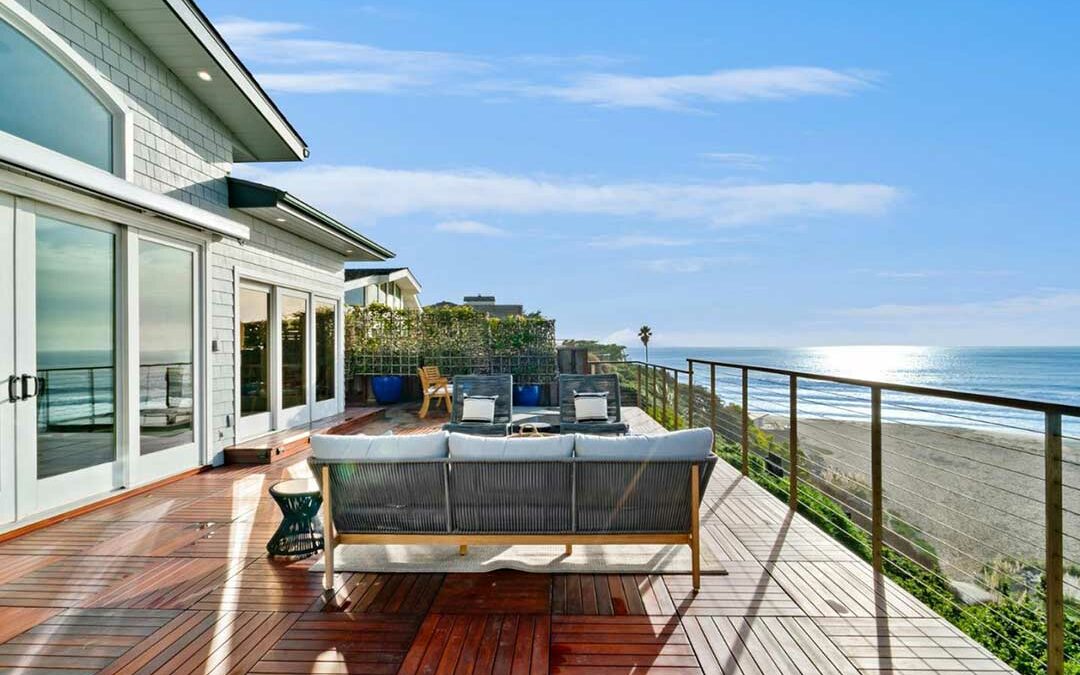
Coastal living has a way of changing how you experience your home. Natural light shifts throughout the day, ocean breezes influence how rooms feel, and the surrounding landscape becomes part of the architecture itself. Yet living near the water also asks more from a home than simply creating beautiful spaces. The best coastal homes are thoughtfully designed around their environment, with an emphasis on lasting performance, comfort and a strong connection to place.
Coastal homes face design challenges that inland homes simply do not. Salt air, moisture, wind and intense sunlight can influence everything from exterior materials to window placement. For homeowners considering coastal home remodeling, understanding those considerations early can make the process feel far less overwhelming.
To explore what it takes to create a beautiful, durable coastal home, we spoke with Danielle Grenier, Lead Architect and Design Department Manager at Talmadge Construction. A California-licensed architect with more than 30 years of experience in the local architecture and construction industry, Danielle holds a Bachelor of Architecture degree with Honors from California Polytechnic State University. Before joining Talmadge Construction full time in 2004, she worked with local architecture firms and independently designed custom residential homes and remodels throughout Santa Cruz County.
In this Q&A post, Danielle shares her perspective on coastal architecture, material selection, energy efficiency and indoor-outdoor living. She also discusses designing home additions that feel original to an existing house and the planning decisions that can help homeowners avoid expensive problems later.
Why Coastal Homes Require a Different Design Approach
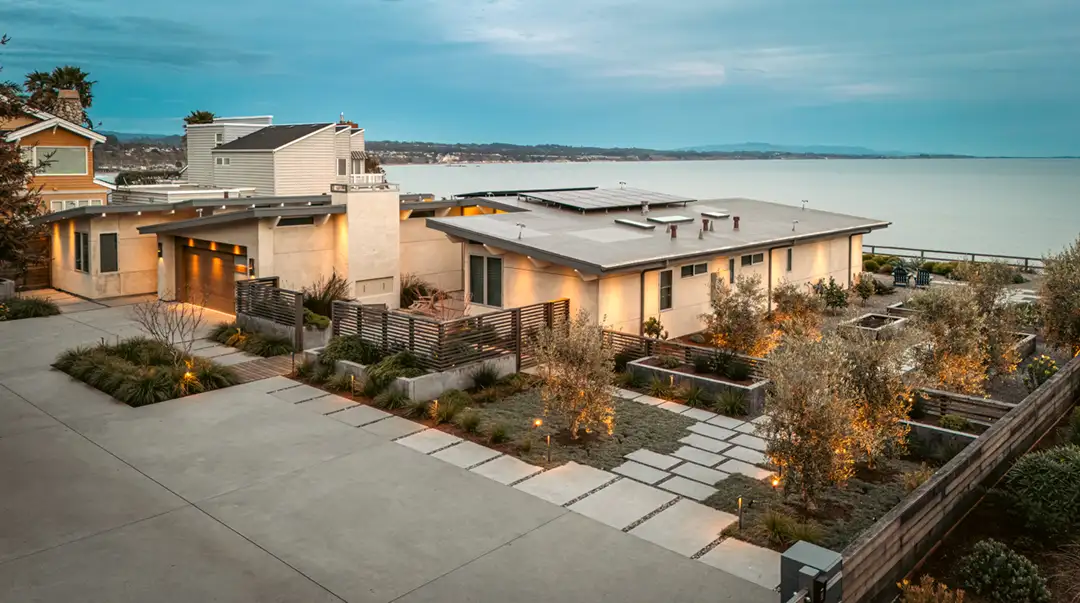
What makes designing for a coastal property fundamentally different from an inland home?
“Coastal homes face constant exposure to salt air, moisture, UV rays and wind, so every design decision—from materials to detailing—has to prioritize durability while still embracing the site’s views and natural surroundings,” Danielle explains.
That balance is at the heart of successful coastal home design. A home near the water should respond to its setting while addressing the environmental realities. For homeowners who have never built or remodeled before, this is one reason the design process matters so much. Decisions made early can influence how your home performs for years.
What’s the first thing you assess when you start a coastal project?
“I start with the site: sun exposure, wind, drainage, topography and views. Those factors shape every design decision that follows.”
This site-first approach is particularly important in coastal architecture. Two homes located only a few miles apart may have very different conditions depending on their orientation, elevation and exposure. Understanding the property before designing allows the architecture to respond to the actual site.
What do homeowners underestimate about building near the water?
“Maintenance. Even the best materials require regular care in a coastal environment to stay looking and performing at their best.”
It is easy to focus on the exciting parts of a remodel while overlooking what happens after construction is complete. A well-designed coastal home should be beautiful on move-in day but also planned with future maintenance in mind.
- Learn more about Core Architecture Design Principles.
Choosing Materials that Withstand Salt Air, Moisture and UV Exposure

What materials do you trust most for exteriors in a salt-air environment?
“I rely on fiber cement siding, aluminum-clad windows, stainless steel hardware, concrete and quality metal roofing because they’ve proven to perform well over time.”
Material selection is one of the most important aspects of coastal home remodeling. Materials that look beautiful in a showroom may not all be equally suited to a home facing constant exposure to salt and moisture. Choosing products with proven performance can help protect a homeowner’s investment.
Are there popular materials you steer clients away from for coastal homes?
“I avoid materials that aren’t designed for moisture or salt exposure, like untreated steel or lower-grade exterior products.”
For homeowners, this is an important reminder that product selection should be based on more than aesthetics. A material that works well in another climate may not be the right choice for a coastal property.
How has material technology improved for coastal durability in recent years?
“Today’s high-performance windows, coatings and corrosion-resistant materials last longer and require less maintenance than they did a decade ago.”
Advances in materials give homeowners more options when planning a durable coastal home. Better-performing products address the demands of the environment without requiring homeowners to compromise on design.
Energy-Efficient Design for a Coastal Home

What energy-efficient strategies work particularly well in coastal climates?
“Natural ventilation, quality insulation, proper orientation and shading all help reduce energy use while keeping the home comfortable.”
Energy efficiency begins with design rather than being added as an afterthought. The home’s orientation can influence sunlight while thoughtful shading can help manage heat gain. Natural ventilation can also take advantage of the coastal climate when conditions allow.
How do you approach window and door selection for both efficiency and storm resistance?
“I choose high-performance products that provide insulation, withstand coastal weather and maximize natural light.”
Windows and doors play a major role in coastal home design because they connect the interior to the surrounding landscape. The goal is to bring in light and capture views while selecting products that can perform in a demanding environment.
Do you find clients are prioritizing energy efficiency more than they used to?
“Absolutely. Clients are looking for homes that are more comfortable, environmentally responsible and less expensive to operate.”
Energy efficiency is increasingly part of what defines a well-designed home. It’s about more than reducing utility costs; it’s about creating a comfortable interior and supporting the home’s long-term performance.
Designing Home Additions That Look Original to the Home
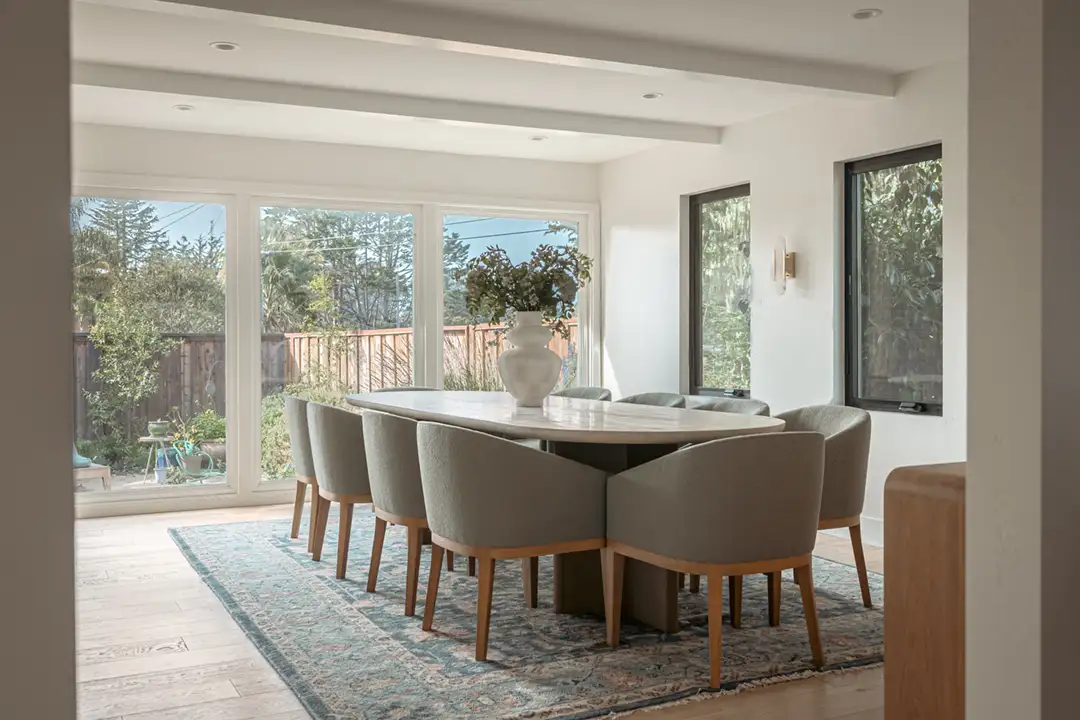
What’s your process for making a new addition feel like it’s always been there?
“I study the home’s proportions, materials and architectural details so the addition feels seamless rather than obvious.”
Designing home additions requires a careful understanding of the existing structure. The goal is not necessarily to make every detail identical. Instead, the new space should feel as though it belongs to the original architecture.
What details do you study most closely, as in rooflines, trim, window proportions?
“Rooflines, window proportions, trim and siding details make the biggest difference.”
These elements may seem subtle, but they have a significant influence on how a new addition is perceived. When proportions are right and details are thoughtfully carried through, the result can feel cohesive from both the street and the interior.
Can you share an example of an addition where matching the original architecture was especially tricky?
“Older homes with multiple past remodels can be challenging, but careful research helps create a cohesive design. We are currently updating an older mid-century home on Beach Drive, and balancing the clients’ more ‘East Coast Traditional Style’ is a fun architectural challenge.”
This is a good example of why coastal remodeling is rarely a matter of simply choosing a style from a catalog. Existing homes have their own history and layers of change. A successful renovation respects that history while creating a home that works for how the owners live today.
Indoor-Outdoor Living in a Coastal Home

How do you design indoor-outdoor spaces that hold up to coastal weather?
“I use durable materials, proper drainage, and weather-resistant detailing to ensure those spaces last.”
An indoor-outdoor living coastal home should feel effortless, however, creating that experience requires careful planning. Outdoor areas face the same environmental conditions as the rest of the property, so drainage, waterproofing and material choices all play an important role.
What’s your favorite feature to include for blending indoor and outdoor living?
“I love to use large sliding glass doors paired with covered outdoor spaces to create a seamless connection.”
Large openings can change how a coastal home feels. They allow homeowners to enjoy natural light and views while making the transition between interior and exterior spaces feel more fluid.
How do you handle transitions like sliding doors or covered patios in a coastal setting?
“We pay close attention to waterproofing, drainage and durable finishes to keep those spaces performing well.”
These details are especially important because transitions can be vulnerable points in a home’s exterior envelope. When they are carefully designed and properly constructed, homeowners can enjoy the openness they want without sacrificing durability.
Planning for Long-Term Maintenance
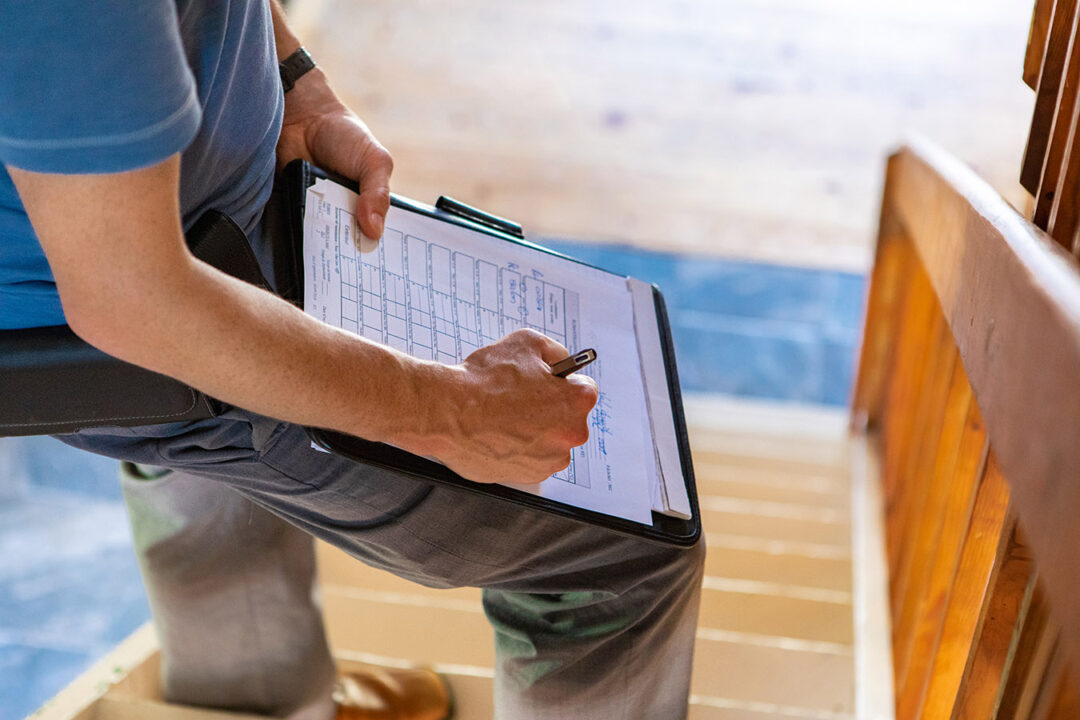
What should homeowners plan for in terms of ongoing maintenance after a coastal remodel?
“Regular inspections, cleaning and maintaining exterior finishes are essential to protecting a home in a coastal environment.”
Coastal living comes with unique advantages, but it also requires homeowners to stay proactive. Regular attention can help identify small concerns before they become larger repairs.
Are there design choices now that reduce maintenance headaches later?
“Yes. Investing in durable materials and quality detailing pays off for years to come.”
An initial investment in quality design and construction can make a meaningful difference in how a home performs over time. The goal is not simply to spend more. It is to invest thoughtfully where performance matters most.
What maintenance mistakes do you see homeowners make in the first few years?
“Putting off small repairs. Addressing issues early prevents much larger problems later.”
For a coastal property, that advice is particularly relevant. A small issue that might be manageable today can become considerably more complicated if moisture is allowed to persist.
Common Mistakes Homeowners Make Before Remodeling

What’s the most common mistake you see homeowners make before they even start a remodel?
“It’s when they focus on finishes before creating a solid overall plan and budget. It cannot be stated enough that homeowners should put a great emphasis on a cohesive design that allows them to get a tight estimate before embarking on almost any building project.”
For homeowners who have never remodeled, it is understandable to begin by thinking about finishes. But the bigger decisions should come first. A cohesive design establishes the project’s direction and creates a stronger budgeting foundation.
Is there a step in the planning process that gets skipped too often?
“Several areas often get missed. One is that they don’t take the time to fully evaluate the site and existing conditions before designing. They need to envision something within the realistic budget and timeline”
The planning stage is where homeowners have the greatest opportunity to make thoughtful decisions. Before falling in love with a particular concept, it is important to understand the existing home, the site and what the project can realistically accomplish.
What’s one piece of advice you’d give someone starting a coastal remodel today?
“I recommend finding a trusted local home designer and builder, like Talmadge Construction. Look for a design-build company that has been in business for a long time and has excellent credentials. You can save so much money and heartache by choosing a company like ours from the start.
That advice speaks to the value of having the right professionals involved from the beginning. Coastal remodeling involves decisions that reach well beyond the finishes homeowners see at the end of the project. Experience with local conditions, architecture and construction can help identify challenges early while creating a design that is both beautiful and practical.
Specialized Expertise is Required for Coastal Remodeling
Coastal remodeling requires specialized expertise when the goal is to create a home that feels connected to its setting while standing up to the realities of coastal living. From coastal architecture and durable materials to energy efficiency, indoor-outdoor living and thoughtfully integrated additions, every decision contributes to the finished home.
If you are considering a coastal home remodel, addition or renovation, Talmadge Construction offers the experience and collaborative approach needed to bring a complex project together. With architectural design and construction working as part of one process, you develop a cohesive vision, establish realistic expectations and move forward with greater confidence.
Contact Talmadge Construction to schedule a consultation with Danielle Grenier and the Talmadge team and begin planning a coastal home designed around the way you want to live.
Want more inspiration? Sign up for our newsletter.