
5 Core Architecture Design Principles for Coastal California Homes
Designing Coastal California Homes: From Beach Cottage to Modern Retreat
Some coastal California homes feel effortlessly connected to their surroundings. Natural light fills the rooms. Ocean views are thoughtfully framed. Indoor and outdoor spaces flow together naturally. These qualities rarely happen by accident. They’re the result of thoughtful architectural design guided by a few foundational principles.
Historically, coastal homes have been compact, light-built structures made for seasonal use. Its wood shingles, pitched roofs, and straightforward interiors are pragmatic and easy to maintain. However, expectations changed over time as coastal properties became primary residences rather than vacation homes. Homeowners today are seeking the same comfort, quality, and sophisticated design that they enjoy in their urban and suburban homes.
From simple beach cottages, the core principles of architectural design for coastal homes in California evolved. Today, homeowners throughout Santa Cruz County are looking for ways to blend timeless coastal design with the comfort, functionality, and craftsmanship expected of a modern primary residence.

What Makes Coastal Architecture Different?
Along the Monterey Bay coastline and throughout Santa Cruz County, coastal homes face unique environmental conditions that influence architectural design decisions. Salt air, moisture, wind, and sun exposure can affect the longevity of building materials, making durability and maintenance important considerations from the start. At the same time, coastal properties often offer beautiful views, abundant natural light, and a strong connection to the outdoors that deserve to be thoughtfully incorporated into the design.
Coastal architecture also places greater emphasis on indoor-outdoor living, helping homeowners take advantage of California’s mild climate throughout much of the year. In many locations, designers must also consider local wildlife, native habitats, and environmental regulations that help protect the coastal ecosystem. Together, these factors shape a design approach that balances beauty, performance, comfort, and environmental responsibility.
Principle #1: Timeless Architectural Design Begins with Durable, Low-Maintenance Materials
Whether your home overlooks Monterey Bay, sits near Rio Del Mar Beach, or is tucked into a coastal neighborhood in Santa Cruz County, the coast’s demanding environment requires thoughtful material selection. Wind, salt air, moisture, sun, and water can all shorten the lifespan of the wrong finishes.
Furthermore, having the right finishes for your coastal home makes it beautiful, dependable, and easy to maintain over the years.
Applications for this Principle
- For Exterior Renovations: Hardcoat stucco and fiber cement resist moisture damage better than more delicate materials and help maintain a clean, lasting architectural appearance.
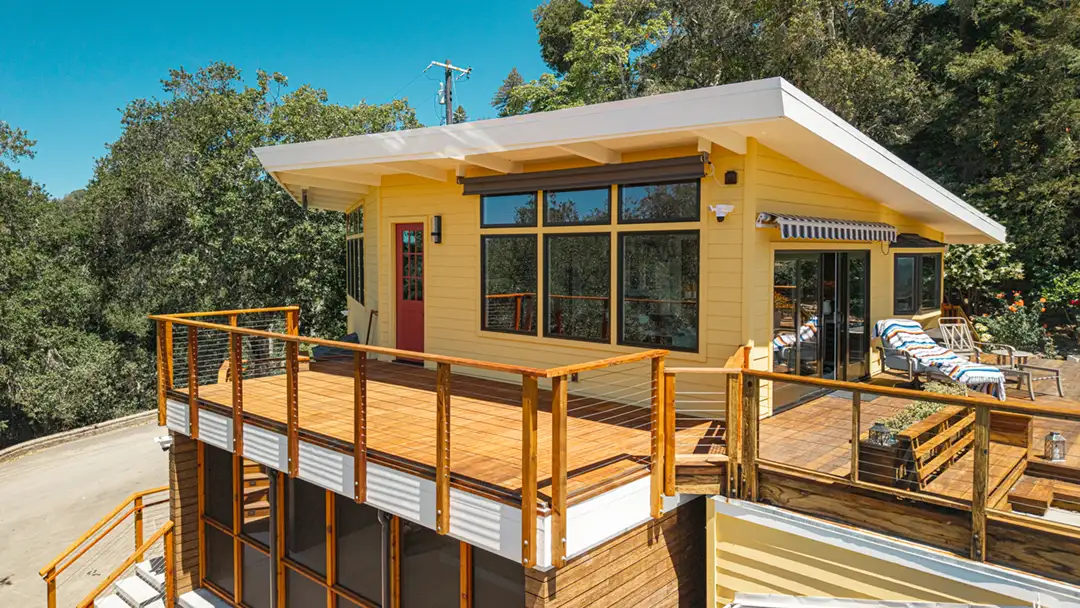
- For Decks and Other Outdoor Living Spaces: Teak, ipe, and composite decking have high resistance against ocean air and sun exposure.
- For High-Traffic Areas and Connection with Outdoor Spaces: Concrete and large-format tile flooring are practical, easy to clean, and fit comfortably within both modern beach house architecture and coastal craftsman style homes.
- Wet Spaces, such as Kitchens and Baths: Marine-grade hardware and fixtures are valuable because they resist corrosion better than standard finishes.
- For Countertops: Honed or leathered stone finishes are especially useful indoors because they are less likely to show water marks, wear, and sand.
Principle #2: Thoughtful Spatial Orientation and Window Placement Optimizes Coastal Views
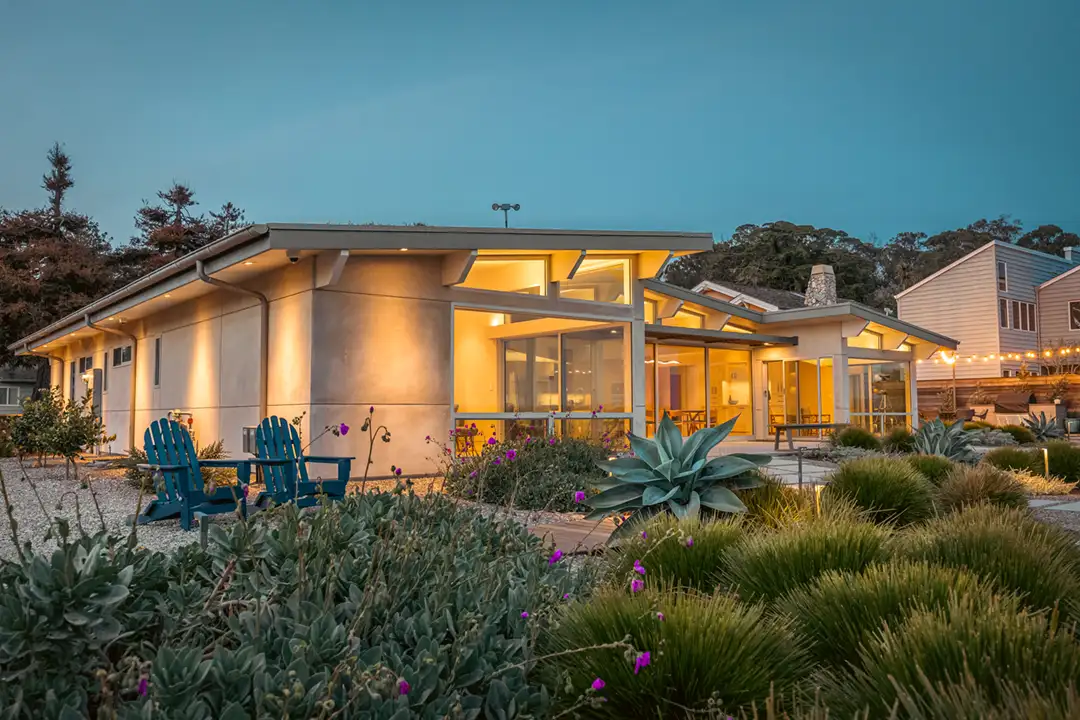
Designing the layout of your coastal home around the views, the sun, and the natural movement of air elevates its comfort and enjoyment. In coastal home architecture, orientation is not just about appearance. It shapes how the home feels, functions, and connects to the coast every day.
Thoughtful architectural design begins with understanding the site. Along the Monterey Bay coastline and throughout Santa Cruz County, many properties offer opportunities to capture views of the bay, wooded hillsides, coastal bluffs, or surrounding natural landscapes. Coastal architects often study the relationship between the house, the water, prevailing winds, sunlight, and neighboring structures to determine the best orientation for the home. This approach helps maximize views while supporting privacy, comfort, and energy performance.
Applications for this Principle
- Floor Plans: Open floor plans are a natural fit for many coastal homes because they enhance natural light, improve airflow, and create a more connected living experience. This approach helps establish spacious, flexible interiors.
- Window Placements: Large glass openings, floor-to-ceiling windows, and transom windows can draw in natural light, frame the view, and make the changing character of the beach, bay, and water part of everyday life.
- Sightline Optimization: Removing or minimizing interior partition walls can help create panoramic viewing corridors from one end of the home to the other. This approach allows multiple spaces to share the same visual connection to the coast.
- Multi-Level Layouts: Thoughtful changes in floor height create distinct perspectives, allowing different rooms and levels to frame the coastal landscape in varied ways, from intimate views of dunes and gardens to expansive views of the ocean or bay.
- Strategic Room Placement: Main living spaces such as the foyer, kitchen, living room, and primary suites should be positioned to take advantage of the best light and strongest coastal views whenever possible.
- Elevated Main Social Spaces: In some coastal home architectural projects, this approach can capture broader ocean views, increase privacy, and strengthen the relationship between indoor gathering spaces and the surrounding landscape.
Principle #3: A Harmonious Coastal Style is Achieved With Biophilic Materials and Colors That Align with Its Surroundings
A coastal California home should feel connected to its setting rather than separate from it. The most successful coastal homes don’t compete with the landscape for attention. Instead, they complement the natural beauty of the coastline and create a seamless relationship between the home and its surroundings.
Throughout Santa Cruz County, many coastal homes draw inspiration from the region’s natural character, including coastal bluffs, native vegetation, sandy beaches, and redwood forests. These influences often shape the materials, colors, textures, and architectural details that help a home feel rooted in its environment.
This principle is often expressed through biophilic design, an approach that strengthens the connection between people and nature through architecture, natural materials, color palettes, textures, and light. In coastal homes, biophilic design can help create spaces that feel calm, timeless, and naturally connected to the surrounding landscape.
Materials such as stone, weathered wood, natural fibers, and textured finishes tend to age gracefully in coastal settings. Rather than appearing worn, they often develop additional character over time, helping a home feel authentic, enduring, and well suited to its environment.
Applications for this Principle
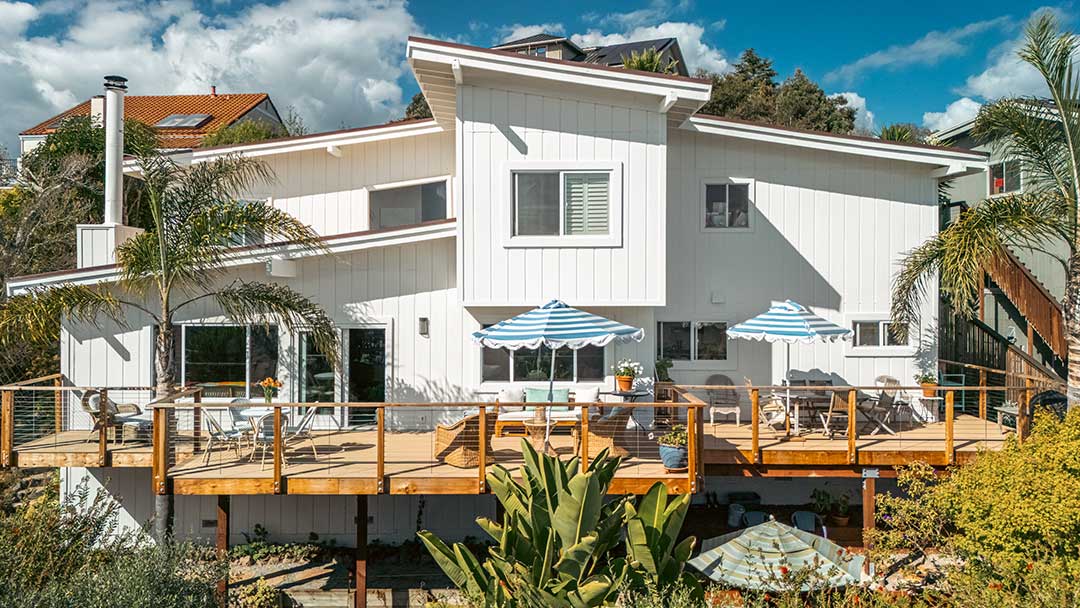
- Color Palette: Because the California coast is naturally vibrant, neutral palettes, softened tones, and layered natural shades help a coastal home feel timeless rather than overly styled. Colors inspired by sand, driftwood, stone, native grasses, and ocean hues often create a stronger connection to the surrounding environment.
- Authentic Material Expression: Exposed structural elements, visible grain patterns, natural stone variation, and simple detailing can help a home feel more grounded, more architectural, and less dependent on decorative styling.
- Natural Textures: Incorporating materials such as reclaimed wood, limestone, plaster, woven fibers, and natural textiles can add warmth and visual depth while reinforcing the home’s connection to nature.
- Indoor-Outdoor Material Continuity: Repeating complementary materials and finishes across indoor and outdoor spaces helps create a more seamless transition between the home and its surroundings. This continuity can strengthen the feeling that outdoor living areas are a natural extension of the interior.
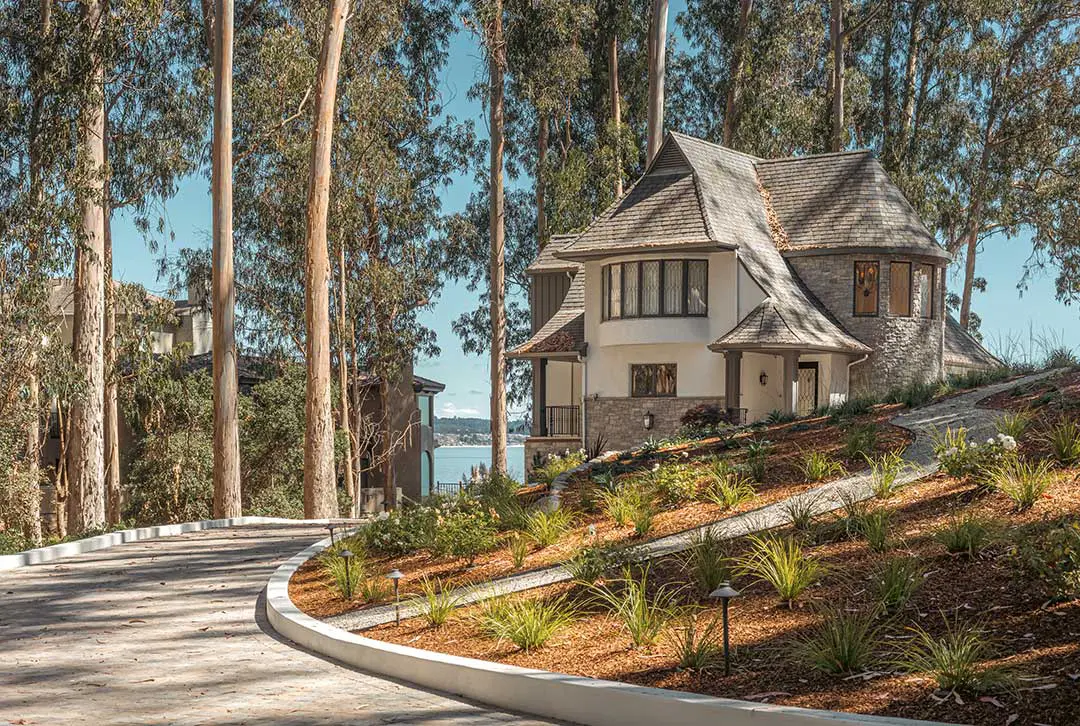
- Connection to the Landscape: Architectural design should work with the property’s natural features rather than overpower them. Preserving mature trees, framing garden views, highlighting existing topography, and selecting materials that complement the surrounding landscape can help the home feel rooted in its setting.
- Simplicity Over Excessive Ornamentation: Many of the most enduring coastal homes rely on proportion, material quality, and thoughtful detailing rather than elaborate decorative elements. This approach allows the architecture and natural surroundings to remain the focal points.

Principle #4: Year-Round Comfort is Achieved With Natural Light and Cross Ventilation in Coastal Homes
Natural light and ventilation can change how a house feels. It makes rooms feel brighter, larger, fresher, and more connected to the surrounding landscape. They also reduce dependence on heating and lighting which saves you money on bills. This is done through intentional architectural design.
Applications for this Principle
- For Optimal Natural Light: South- and west-facing windows can help capture afternoon sun and the long golden hours.
- For Rooms With No Exterior Walls: Clerestory windows and skylights bring natural light into interior rooms and hallways.
- For Reducing Dark Corners: Cross-lighting from multiple sides of the house helps reduce heavy shadows and creates a softer, more balanced quality of light throughout the day.
- For Cross-Ventilation: While windows facing the view captures the sea breeze, adjacent doors and windows improve indoor comfort by having a healthy airflow.
Principle #5: The Key to Sustainable Design With Wildlife is to Understand It
Coastal architecture isn’t only about how a home interacts with the climate. It also involves understanding the ecosystems that make California’s coastline so unique.
When renovating a coastal home in Santa Cruz County, it’s important to recognize that many properties exist within sensitive ecological environments that support native wildlife and coastal habitats.. Good coastal architecture shouldn’t respond only to the California climate; it should also be in harmony with the wildlife and habitats that already exist there.
Applications for this Principle
- Compliance with Coastal Construction Regulations: Work with experienced contractors and coastal architects who understand how to align your coastal home remodel with the California Coastal Act, local permitting requirements, and other regulations that guide responsible building along the coast.
- Implement Wildlife-Friendly Design: Wildlife-conscious coastal design can take many forms. Using non-reflective or patterned glass and downward-angled lighting prevents disorienting migrating birds. Designing fences and barriers that are low enough for the local wildlife to pass through and high enough for their offspring to go under prevents your property from blocking their way of life.
- Schedule Remodeling Around Wildlife Activity: In some coastal projects, timing matters just as much as design. Planning construction around breeding seasons, nesting periods, or other sensitive wildlife cycles can help reduce disruption and support a more thoughtful approach to sustainable architecture principles.
- Work with Local Experts: Early coordination with agencies such as the California Department of Fish and Wildlife can help homeowners and design-build teams make informed decisions during the planning stage.
Plan Your Coastal California Home with Confidence
The best coastal homes balance beauty, durability, comfort, and a strong connection to their surroundings. By applying these five architectural design principles, you can create a home that feels timeless, functions well in a coastal environment, and supports the way you want to live.
If you’re considering a remodeling project in Santa Cruz, Aptos, Capitola, Soquel, Rio Del Mar, or elsewhere in Santa Cruz County, schedule a consultation with Talmadge Construction to discuss your goals and explore what’s possible for your home. We’d welcome the opportunity to explore what’s possible for your home.