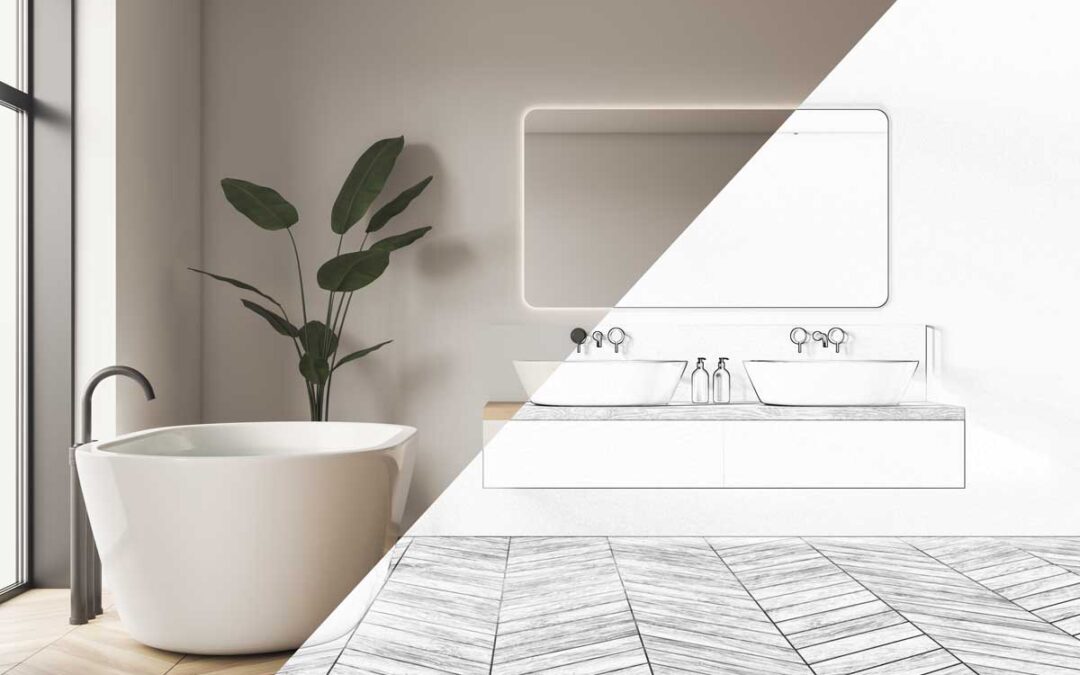
Every remodel begins with an idea, a spark of inspiration that represents the way you want your home to look, feel and function. You may have collected ideas from Pinterest, Instagram or even AI-generated floorplans that reimagine how a room could work. This early visioning is exciting and powerful, setting the foundation for the thoughtful design decisions that follow.
But turning those ideas into a feasible, code-compliant remodel that aligns with your budget requires more than inspiration. It takes experience, creativity, technical skill and a proven design process. Let us take you behind the scenes to show how a remodel truly comes together.
Step One: Ideation and Concept Development
Collecting Inspiration: Homeowner-Gathered Ideas
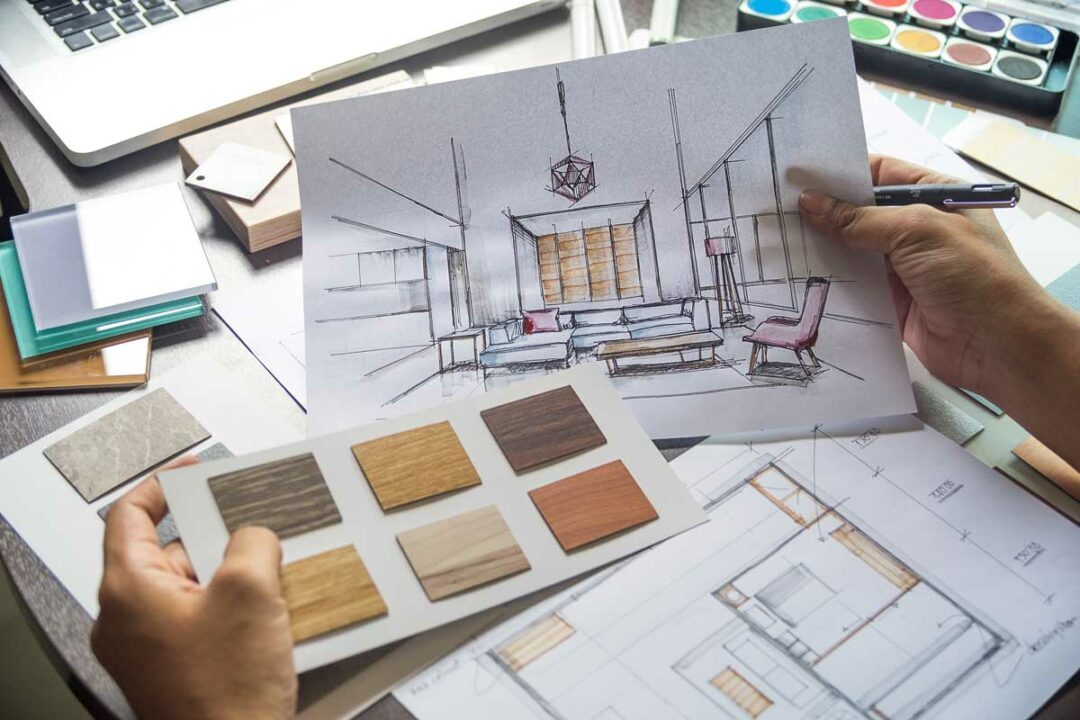
For most homeowners, the design journey begins long before the first consultation. You’ve probably spent hours browsing social media or experimenting with AI tools that reimagine your rooms in fresh, exciting ways. Gathering inspiration is part of the fun—and it’s an incredibly valuable step in shaping your future remodel.
Many homeowners begin their remodeling journey with a vision that’s still taking shape. You may know what you like, but translating inspiration into a cohesive, functional design can quickly feel overwhelming. This is where guided collaboration becomes invaluable. Through structured conversations and visual tools such as mood boards and 3D renderings, a design-build firm can help you clarify your ideas and explore how different concepts might work in your home.
By working with a design-build firm like Talmadge, you may experience a process that not only aligns with your aesthetic preferences but also refines your inspiration into a realistic plan—one that reflects how you truly want to live in your space and what will serve you best long-term.
Using AI-Generated Concepts: Starting Points
Homeowners today are increasingly exploring AI-generated layouts, and these can be a great starting point. AI tools are useful for imagining new possibilities and sparking inspiration, but it’s important to remember that they’re not construction-ready plans. They typically don’t account for structural realities, code requirements, or local permitting regulations.
When you start working with an architect, designer, or design-build team, you’ll likely be encouraged to share any inspiration you’ve gathered, whether that’s Pinterest boards, saved Instagram posts, magazine clippings, or AI-generated concepts. This helps your design team understand your vision and the way you want your space to look, feel, and function.
From there, a team like Talmadge Construction may meet with you in your home to talk through your goals, priorities, and challenges. They’ll take detailed measurements and translate your ideas into accurate 2D and 3D plans—plans that reflect real-world construction constraints and provide a solid foundation for design selections, budgeting, and permitting.
No matter how developed your ideas are, all pre-design work you bring to the table is valuable. It helps your design-build team create a personalized, achievable plan that turns your inspiration into a space that truly works for you.
Design Discussion: Turning Goals into a Buildable Vision
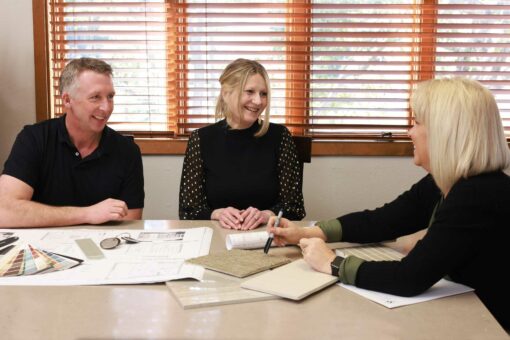 As you move from collecting inspiration to shaping a real design, a key next step is understanding how those ideas translate into your home’s physical realities. This is where professional guidance, whether from an architect, interior designer, or design-build team, becomes essential.
Rather than focusing on whether your ideas came from Pinterest, Instagram, magazines, AI tools, or your own sketches, your design professional will focus on interpreting your overall vision—how you want the space to function, what problems you want to solve, and how the remodel should support your lifestyle, including priorities such as entertaining, storage, improved flow, accessibility, or future resale value.
From there, the process shifts from imagining possibilities to understanding the constraints and opportunities within your specific home. A design professional will take precise measurements, evaluate existing structural and mechanical conditions, and begin shaping accurate 2D or 3D drawings. These drawings form the foundation for construction planning, material selections, budgeting, and permitting.
No matter how fully formed (or not) your ideas feel at this stage, everything you bring is valuable. Your early vision becomes the starting point for a design that is not only beautiful but also functional, buildable, and aligned with your goals.
At Talmadge Construction, this is where our work begins. With more than 40 years of experience navigating Santa Cruz County’s technical and permitting requirements, we help homeowners move from inspiration to actionable design with clarity, confidence, and a proven process.
Homeowner Takeaway
Early collaboration is the key to turning broad, abstract ideas into a focused design direction that fits your home, lifestyle and investment goals. Inspiration is the starting point, but feasibility, functionality and expert guidance are what turn that inspiration into a space you will genuinely love.
“As Lead Architect and Design Department Manager Danielle Grenier, CGBP, shares:
“When clients bring in Pinterest boards or AI-generated layouts, I love it—it gives us insight into their aesthetic. But my job is to translate those digital dreams into something that actually works for their space, structure, and budget. That’s where the real creativity happens.”
Step Two: Professional Design Review

Evaluating Feasibility
As your early design concepts evolve, the next step is a thorough feasibility check. Before finalizing any plans, it’s important to understand whether the design is buildable and compliant with structural, zoning, and building code requirements.
Permitting and Zoning
A qualified design professional will review your concepts to ensure they meet local regulations, setback rules, and applicable neighborhood guidelines.
“A big benefit of using a design-build residential remodeling firm like Talmadge is that our design and construction teams collaborate early, ensuring ideas are both inspiring and structurally sound,” Danielle says. “This balanced approach allows us to honor the dream while meeting code, budget and long-term functionality.”
Buildability & Budget

This stage is where your investment goals come into sharp focus. A qualified design or design-build professional will evaluate potential structural modifications, material selections, mechanical requirements, and permitting considerations to create a realistic cost picture.
When construction expertise is brought into the process early, potential challenges can be anticipated, opportunities identified, and concepts refined before costly redesigns occur. This proactive approach helps protect your budget and contributes to a smoother, more predictable remodeling experience.
Homeowner Takeaway
A thoughtful design-build process minimizes risk, prevents costly redesigns, and keeps construction moving smoothly from start to finish.
As Designer Dave Neighoff explains, “Homeowners are often surprised by how much zoning, structure, and buildability affect a design. I always tell them: let’s make sure your dream is possible before you fall in love with it. That early reality check saves time, money, and stress later on.”
Step Three: Refinement and Visualization
Creation of Detailed Plans
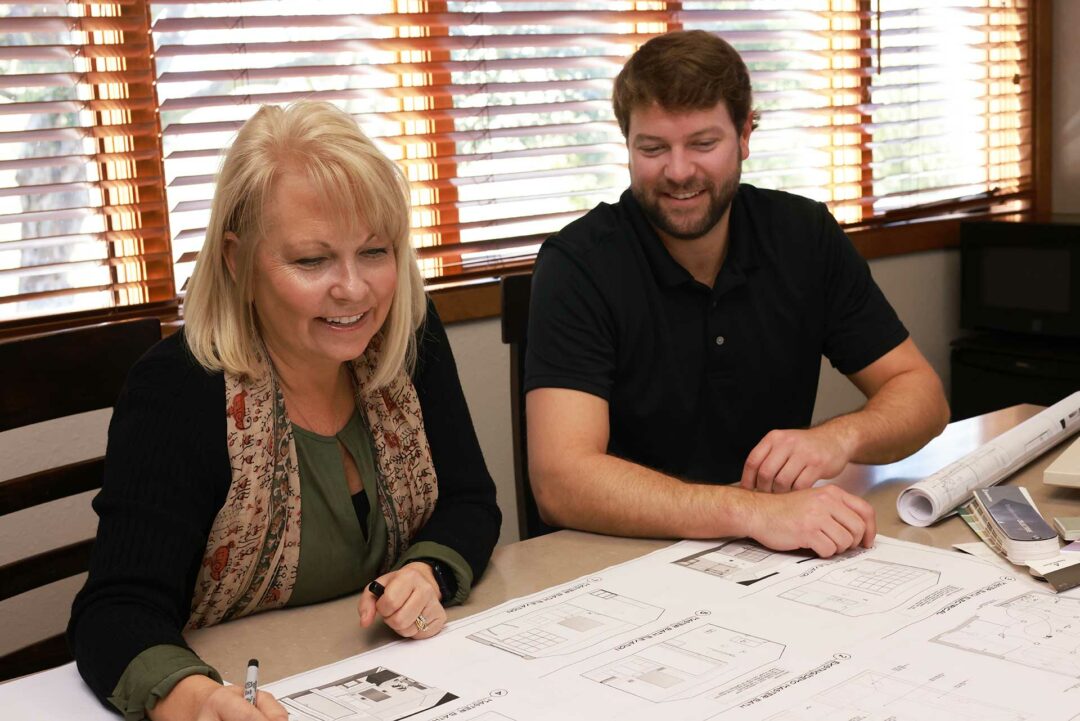
Once your initial concept is confirmed as feasible, the design moves into its most detailed form. This is where your remodel shifts from broad ideas to precise drawings, material selections, and technical documents.
The most critical part of any design plan is the structural detailing, not just the finishes or aesthetics. These intricate drawings guide every phase of construction, including framing, electrical pathways, plumbing, mechanical systems, and load-bearing adjustments. Accurate plans help prevent miscommunication, minimize delays, and support a smooth, high-quality build.
Visualization Through 3D Renderings
3D home design renderings give you the opportunity to “see” your remodel before construction begins. They make design decisions—such as layout, lighting, finishes, and furniture placement—clearer and easier to evaluate, reducing the risk of surprises later in the process. Renderings should act as a guide rather than a rigid constraint, allowing room for refinement as the project evolves.
Value Engineering
Even after a strong preliminary plan is in place, thoughtful adjustments continue to improve the design. Sometimes substituting a material achieves a similar aesthetic at a lower cost. In other cases, a small structural modification can enhance functionality without increasing the budget. The goal is to create a design that not only looks beautiful but also aligns with your financial priorities and long-term home value.
Homeowner Takeaway
Renderings give you a clear picture of your future space, helping you make decisions with confidence while allowing your design team to fine-tune the details.
“The 3D renderings are a game changer,” Danielle says. “Clients can see how light moves through their space or how cabinetry aligns with sightlines. But we also remind them—it’s a tool for exploration, not a final photograph. Flexibility keeps the process creative.”
Step Four: From Plan to Permit to Build
Permitting
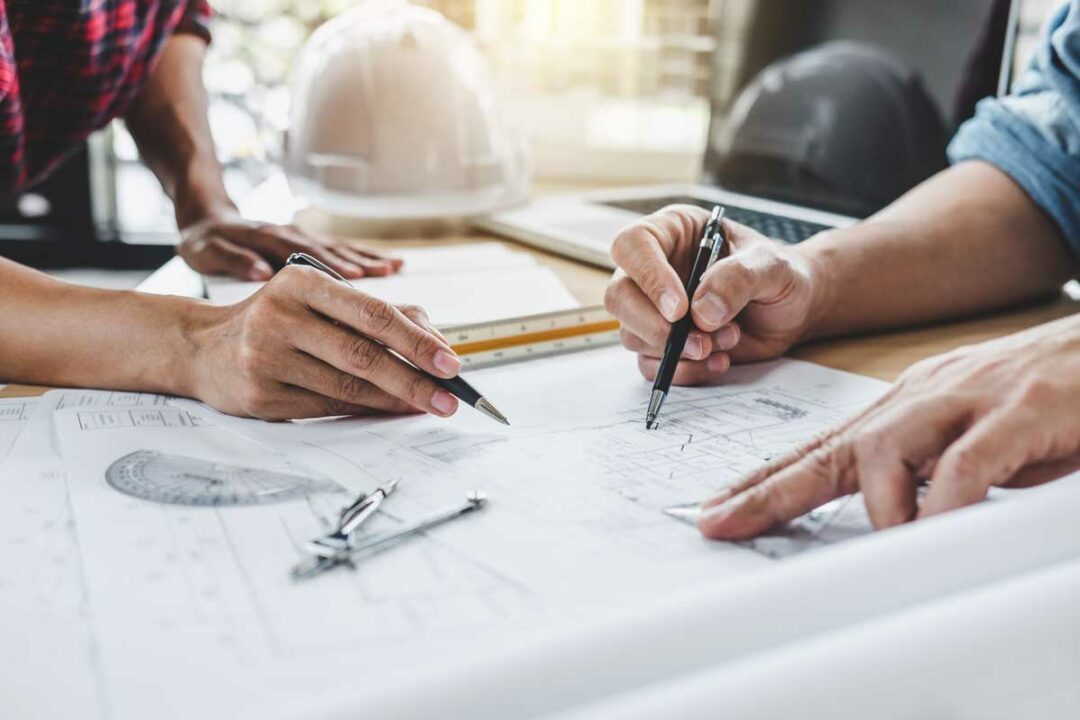
Once your detailed plans are complete, the next step is turning those approved documents into a ready-to-build project. Permitting is something you’ll begin thinking about early, ideally from the very first conversation with your architect, designer, or design-build team. Counties like Santa Cruz update planning and building requirements frequently, so it’s important to work with professionals who stay current with local regulations.
Surprises during permitting often arise from recent changes in zoning rules, planning standards, or building codes—details homeowners and AI tools typically can’t anticipate. And while creativity is crucial in good design, every idea ultimately must pass the compliance test before construction can begin.
Pre-Construction Planning
Before any work starts, you should expect your design and construction team to hold a pre-construction meeting to review your entire project. This is where they confirm:
- Plans and permits
- Site preparation needs
- Scheduling and sequencing
- Material selections and availability
- Long lead-time items such as windows and doors
This stage helps ensure nothing falls through the cracks and that everyone involved has a clear roadmap for the project.
Many professionals, like Talmadge Construction, also use project-management or builder-specific software to keep communication organized and transparent. This gives you real-time updates and prevents miscommunication throughout the project.
Construction: Bringing the Design to Life
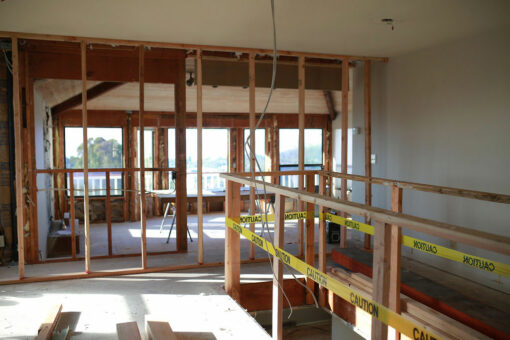 When construction begins, your design team should remain involved to ensure the approved plans are followed with accuracy. This is where your earlier design decisions—tile transitions, trim profiles, fixture placement, built-in proportions, lighting alignment—translate into real-world craftsmanship.
Because these details were carefully reviewed and finalized long before construction starts, adjustments in the field are rarely needed. But if changes do come up, a good team will work through them thoughtfully and collaboratively rather than making quick, unplanned modifications on the spot.
At Talmadge Construction, this level of integration is standard practice. The same team that guides you through design stays engaged throughout construction, helping ensure your vision is executed exactly as intended. This continuity supports better communication, fewer surprises, and a smoother overall experience from start to finish.
Homeowner Takeaway
When your design and construction teams work together from the start and stay connected through every phase, your project benefits from fewer delays, fewer revisions, and a smoother overall experience. Most importantly, your finished remodel looks and feels exactly the way you envisioned it.
“My favorite part is walking through the job site and seeing details we labored over on paper come to life. Trim profiles, tile transitions, or built-in proportions—they all matter. Staying connected through construction ensures the finished home reflects the original vision,” says Dave.
Why Professional Design Makes All the Difference
AI tools, inspiration boards and online resources are wonderful starting points. They help homeowners articulate their tastes and explore possibilities. But the true success of a remodel comes from the professional design and construction process behind it. Experienced designers and remodeling contractors ensure the end result is beautiful, functional and buildable.
A strong design-build approach blends creativity with technical precision, making certain that what you imagine on paper becomes something functional, beautiful and lasting, and that it helps avoid missteps. From feasibility and permitting to structural detailing and construction oversight, your Talmadge Construction design team guides you through every decision with expertise and care.
Thinking About Your Own Remodel?
Bring your ideas—whether AI-generated or hand-sketched—and let’s turn them into a plan that truly works. Contact us to set up your free initial consultation.
Get more inspiration from our newsletter! Sign up today.