
Kitchen Styles for Coastal Living in California Homes
Designing a kitchen for coastal living starts with understanding the environment. Along the water, beauty alone isn’t enough. Performance, durability, and thoughtful planning shape a space that truly supports daily life.
Along the California coast, your kitchen must withstand daily sun exposure, salt air, shifting humidity, and sandy feet coming in from the beach. That’s why thoughtful planning matters just as much as beautiful finishes. Warm, layered lighting for cool beach evenings. Climate-resistant materials designed to endure. Layouts that frame ocean views and maximize natural light.
These aren’t upgrades, they’re essentials. When intentionally integrated, they elevate a coastal kitchen from simply beautiful to effortlessly functional for years to come.
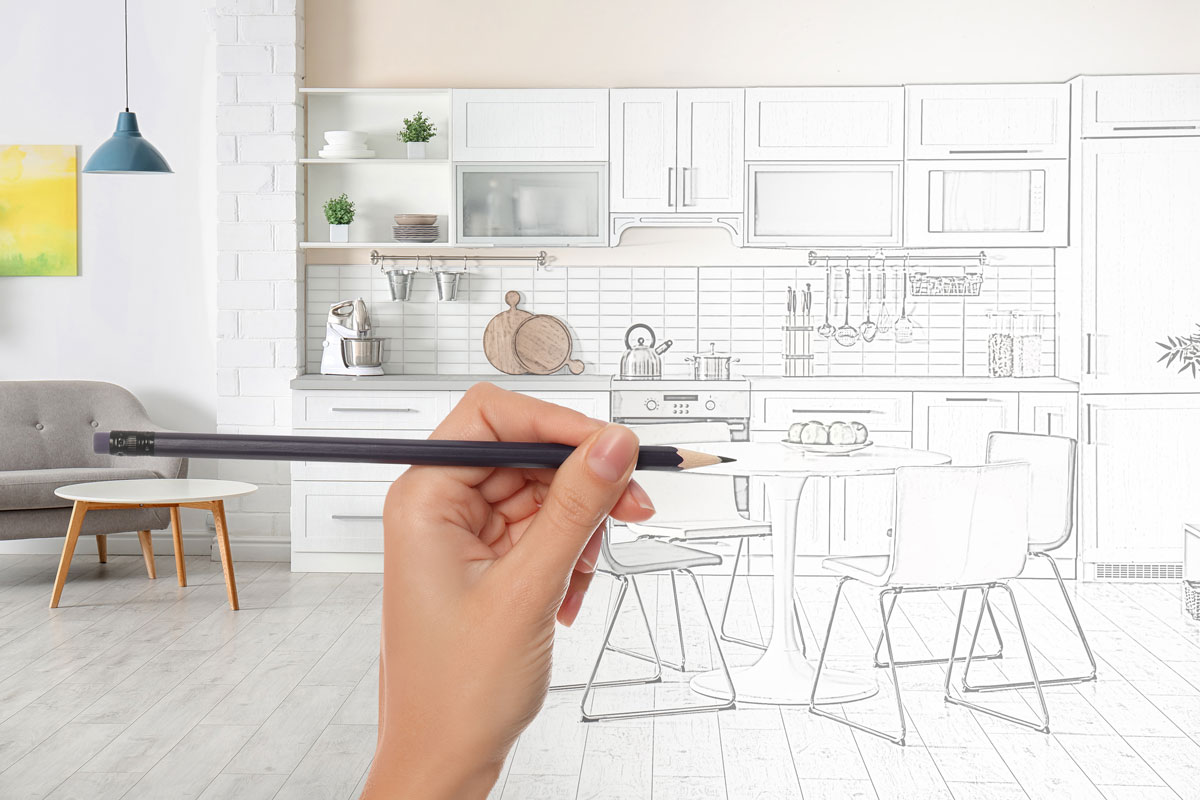
Key Elements of a Thoughtful Coastal Kitchen
While nautical kitchens often lean into overt maritime details, e.g, anchors, rope accents, themed décor, coastal kitchens take a quieter, more architectural approach.
Coastal design begins with context. What does it feel like to stand on the beach?
You notice the horizon. The shifting light. The texture of sand and weathered wood. The colors are layered and organic, particularly soft neutrals, ocean blues, muted greens, sun-washed whites. Nothing feels forced. Everything feels balanced.
That atmosphere becomes the foundation of a coastal kitchen. When your home overlooks the water, the goal isn’t to compete with the view, but rather to frame it. A thoughtfully designed coastal kitchen feels like a natural extension of the shoreline beyond your windows.
From the coastal color palette to the materials and finishes, every detail should reflect that relaxed, sunlit setting.

A Light, Layered Color Palette
Blues and greens drawn from the ocean and sky — navy, blue-green, soft sage, light aqua — pair beautifully with crisp whites and warm neutrals. A blue island base combined with white shaker kitchen cabinets remains a timeless coastal combination that feels fresh without being trendy.
Crisp Neutrals and Soft Whites
White walls, white cabinetry, and neutral countertops ground the space. Cream, sand, and warm tan tones echo the beach and balance stronger coastal hues. The result is a kitchen that feels airy, not busy.
Ocean-Inspired Texture and Finish
Textural tile backsplashes in soft blue or sea-glass tones. Glass pendant lighting that enhances natural light. Driftwood finishes, weathered beams, brushed nickel, or understated chrome. These materials bring dimension without overwhelming the space.
Natural Textures and Organic Materials
Reclaimed wood shelving, wood island accents, woven rattan seating, and indoor greenery add warmth. Natural textures soften white cabinetry and quartz countertops while reinforcing a relaxed coastal style.
Subtle Nautical References
Rather than themed décor, coastal kitchens incorporate restraint. A marine-inspired pendant. Thoughtfully displayed coastal dishware. Framed seascapes. Details that nod to the setting without defining the space.
A Style That Adapts
Coastal kitchens can complement traditional, contemporary, modern coastal, or transitional architecture. At its core, the style remains relaxed and inviting.
At its best, a coastal kitchen feels timeless. It reflects the natural beauty outside your window while creating a comfortable gathering space designed for everyday living.
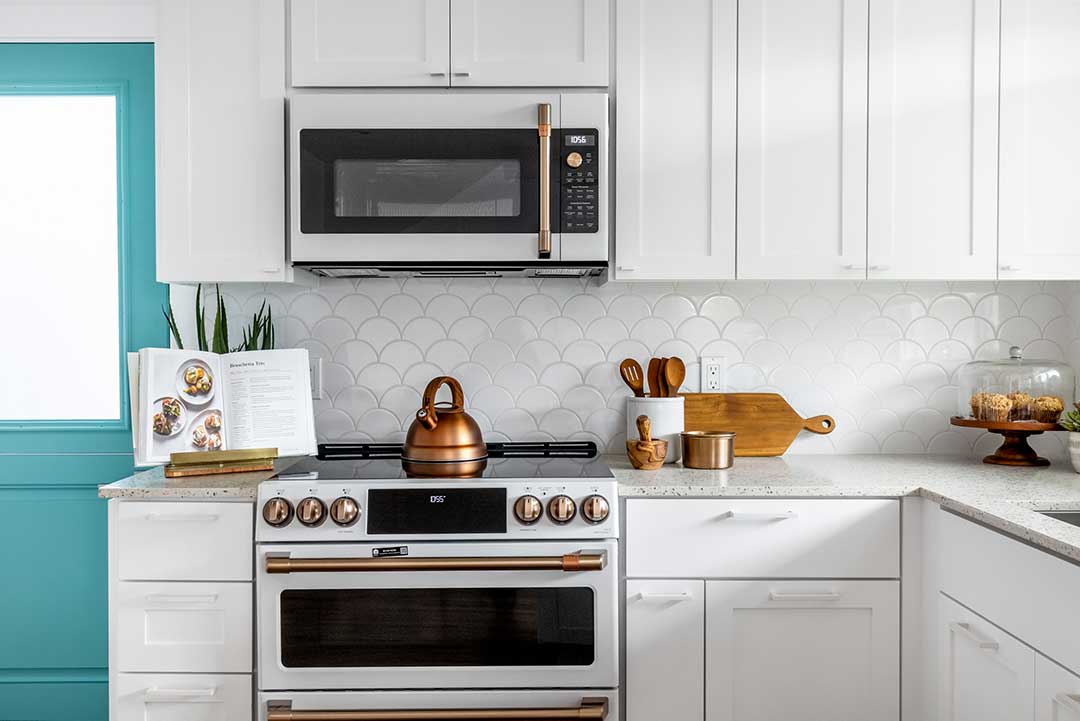
Designing a Light and Airy Coastal Kitchen
A thoughtfully designed coastal kitchen responds to its setting. Along the shoreline, light, movement, and openness shape the experience of the home. The goal isn’t simply visual appeal, it’s creating an atmosphere that feels expansive, relaxed, and welcoming from the moment you enter.
Open–Concept Layout
An open-concept plan complements coastal architecture by allowing natural light to travel freely through the kitchen, dining, and living areas. The uninterrupted flow encourages connection while reinforcing the wide-open feeling that defines coastal living.
L-Shaped Kitchen with a Central Island
An L-shaped layout offers both efficiency and flexibility, organizing primary work zones along adjoining walls while maintaining openness. When paired with a generous central island, the kitchen gains both structure and presence.
The island often becomes the focal point, providing concealed storage, casual seating, and expansive countertop space for everyday use. In coastal homes, it’s common to introduce a subtle contrast here: a navy or blue-green island base set against crisp white shaker cabinetry. The effect adds depth while preserving the room’s light, airy quality.
One-Wall Kitchen with a Parallel Island
For long or narrow coastal homes, a one-wall kitchen can feel especially clean and intentional. Cabinetry, appliances, and storage align along a single wall, maintaining visual simplicity and clear circulation paths.
A parallel island helps define the kitchen within an open great room without enclosing it. It offers additional workspace and storage while preserving the openness essential to coastal design. When combined with light flooring, natural wood accents, and soft tile finishes, the result feels calm, balanced, and effortlessly integrated with the surrounding architecture.
Coastal Kitchen Cabinets and Materials for California Living
Life along the California coast brings extraordinary light, ocean air, and constant movement. But salt, humidity, and sun exposure also place real demands on your home, especially in the kitchen.
In a well-designed coastal kitchen, durability is not an afterthought. Material selection must balance beauty with long-term performance.
Choosing wisely helps prevent:
-
- Warping from humidity and temperature shifts
- Fading from consistent sun exposure
- Corrosion on hardware
- Premature wear on cabinetry, countertops, and flooring
When materials are selected thoughtfully, your kitchen doesn’t just look appropriate for the coast, it performs beautifully for decades.
Cabinetry
Cabinetry shapes both the aesthetic and structural integrity of your kitchen. In coastal climates, stability matters.
Solid wood, while timeless, naturally expands and contracts in humid conditions. Over time, this movement can lead to subtle warping or paint cracking.
For that reason, we often recommend more stable alternatives:
Engineered Wood & Composite Materials
-
- Structurally stable in humid environments
- Designed to resist salt air exposure
- Available in finishes that authentically replicate natural wood grain
High-Density Fiberboard (HDF) for Painted Cabinetry
-
- Provides a smooth, refined painted surface
- Ideal for crisp white shaker profiles
- Minimizes paint cracking caused by wood movement
Coastal-Appropriate Hardware
-
- Marine-grade stainless steel or properly coated finishes
- Designed to resist corrosion
- Maintains longevity without constant upkeep
The goal is simple: cabinetry that looks timeless and performs reliably in a coastal environment.
Countertops
Countertops in a coastal kitchen endure more than daily cooking. They face sandy hands, damp towels, bright sunlight, and regular use.
While marble can be visually striking, its porous nature requires ongoing maintenance. For coastal homes, engineered surfaces often offer a better long-term solution.
Quartz
-
- Non-porous and maintenance-friendly
- Resistant to stains and moisture
- Performs well in sun-filled spaces
- Available in designs that mimic marble or concrete
Porcelain Slabs
-
- Highly durable and heat-resistant
- UV-stable, ideal for bright coastal exposure
- Creates large-format, seamless surfaces
Both materials support the relaxed, low-maintenance lifestyle that coastal living encourages.
Flooring
Flooring in a coastal kitchen must handle moisture, sand, and heavy traffic without sacrificing warmth.
Luxury Vinyl Plank (LVP)
-
- Waterproof and scratch-resistant
- Comfortable underfoot
- Available in natural wood-look finishes
Porcelain Tile
-
- Impervious to water
- Highly durable
- Suitable for open-concept coastal homes
Slip-Resistant Finishes
-
- Improve traction in damp conditions
- Particularly important in homes near the beach or pool
When selected with care, flooring reinforces both safety and longevity while complementing the overall design.

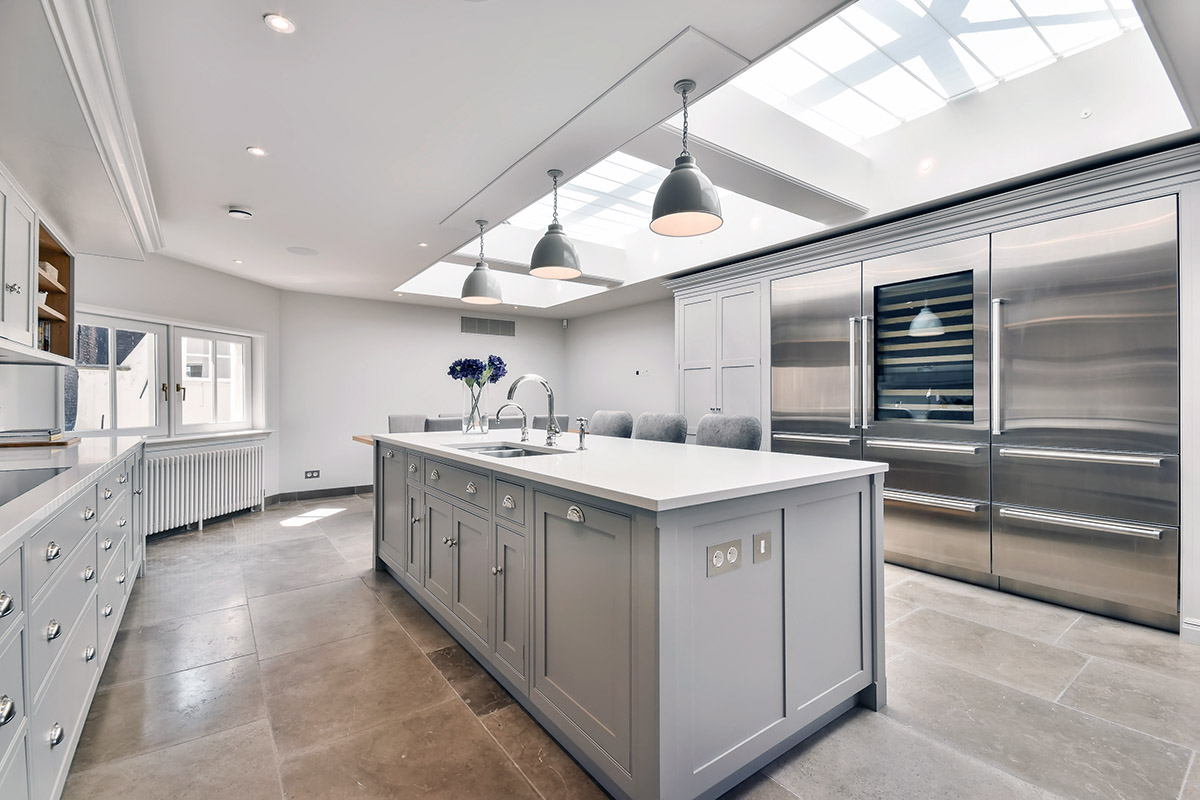
Maximizing Natural Light in Modern Coastal Kitchens
Few elements shape a coastal kitchen more powerfully than natural light. Along the shoreline, sunlight becomes part of the architecture, softening colors, illuminating textures, and reinforcing the connection between indoors and out.
But capturing light intentionally requires more than large windows. It begins with thoughtful planning.
Start with Home Orientation
Understanding how sunlight moves across the home throughout the day informs everything from window placement to seating areas. Morning light can gently warm a breakfast nook or island, while afternoon light may define gathering spaces. Designing with orientation in mind ensures the kitchen responds to its setting rather than working against it.
Design Around the Windows
In coastal homes, windows often frame the most compelling views. Cabinetry and layout decisions should preserve those sightlines. Lower-profile cabinets, restrained upper storage near window walls, and open circulation paths allow light to travel freely while keeping the beach and sky visually connected to the interior.
Amplify Light Through Material Choices
Light-colored cabinetry, reflective quartz surfaces, subtle tile glazes, and brushed metal finishes help distribute daylight evenly throughout the space. These elements enhance brightness without competing with the surrounding landscape.
Introduce Skylights
In deeper floor plans or one-wall kitchen layouts, skylights can introduce daylight where traditional windows cannot. When thoughtfully integrated, they bring balance and clarity to interior zones while maintaining the openness essential to coastal design.
In well-designed coastal kitchens, light isn’t decorative. It’s foundational. When handled intentionally, it transforms scale, softens materials, and creates the effortless openness that defines life along the California coast.
Achieving Warm, Layered Lighting for Coastal Evenings
Along the California coast, daylight defines much of the kitchen experience. But once the sun sets, thoughtful lighting becomes just as important.
A successful lighting plan doesn’t rely on a single fixture. It balances three essential layers (ambient, task, and accent) each contributing to both atmosphere and functionality.
When carefully composed, these layers allow the kitchen to transition seamlessly from bright mornings to relaxed evening gatherings.
Ambient Lighting
Ambient lighting establishes the overall tone of the space. In coastal homes, it should feel warm and natural, never stark or overly bright.
Pendant fixtures above the island often serve as both illumination and sculptural element. Rounded forms and woven textures, such as rattan or subtle organic materials, soften modern lines without overpowering the architecture.
Recessed lighting can supplement pendants, ensuring even illumination across the room while maintaining clean ceiling planes, especially important in contemporary coastal interiors.
Task Lighting
Task lighting ensures the kitchen functions as beautifully as it looks.
Under-cabinet lighting provides focused illumination along countertops, eliminating shadows during meal preparation while subtly highlighting tile or stone surfaces.
Dedicated sink lighting, whether recessed or integrated, improves visibility and reinforces thoughtful planning. In a well-designed kitchen, no primary workspace should feel dim or secondary.
Accent Lighting
Accent lighting adds depth and warmth once evening sets in.
Interior cabinet lighting behind glass fronts introduces a soft glow and visual layering. Wall sconces can highlight architectural details or backsplash textures without overwhelming the room.
These quieter light sources shift the mood of the space, transforming it from a workspace into a welcoming gathering environment.
In coastal kitchen design, lighting is never decorative alone. It shapes atmosphere, enhances materials, and extends the livability of the space well beyond daylight hours.

Ready to Create Your Coastal Kitchen? Schedule a Consultation!
Designing a coastal kitchen requires a thoughtful response to both the landscape and the way you live. The goal is a space that feels connected to the shoreline, grounded in natural light, resilient materials, and architectural balance.
If your current kitchen no longer reflects your home’s setting or your evolving lifestyle, we would welcome the opportunity to explore what’s possible. With more than 40 years of design-build experience along the California coast, our team guides every decision, from orientation and layout to cabinetry, materials, and lighting, with long-term performance in mind.
Let’s begin the conversation and design a kitchen that feels effortless, enduring, and distinctly yours.