2026 Architecture Design Trends
As 2025 comes to an end, some of its architectural design trends continue into 2026. Biophilic forms, earthy tones, and natural materials carry over to the rising trend of sustainable architecture and interior design. The evolution of visual interest persists, from organic textures to the balance of pattern layering.
However, new trends are also arising where none expected them. Architectural design is no longer just a matter of self-expression, but of weaving a story through different time periods, material patterning, and colors that they are drawn to. With this combination of 2026 architecture design trends, homeowners planning to remodel their living spaces can discover evolved ways to elevate their homes.
At Talmadge Construction, we keep our neighbors up to date on future architectural trends as part of our architectural design services. Read below to learn more about how we can design and build your home to be better.
Curved and Sculptural Accents That Reshape Interiors and Architectural Spaces
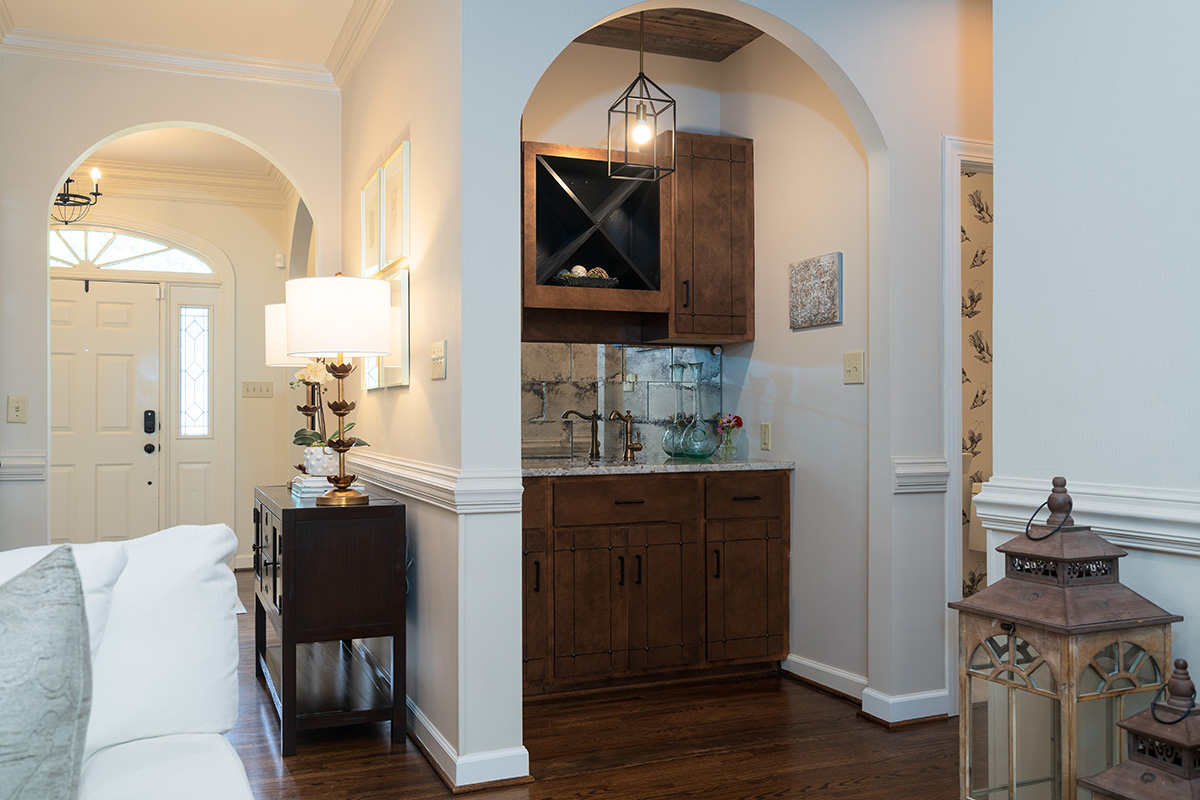
Another standout trend in architecture in 2026 is the return of romantic forms. Once overlooked for rectangular designs that align easily in rectangular rooms, curved and sculptural forms are reemerging for the softness and movement they bring into structured spaces.
Homeowners are rediscovering the emotional impact of rounded silhouettes that help create interiors that feel expressive and alive. Arched doorways, curved crown moldings, or architectural sea wave wall art are just some of the elements that introduce organic form, making a space feel more dynamic and welcoming.
Visually Interesting Stonework That Defines Spaces in a Modern Way
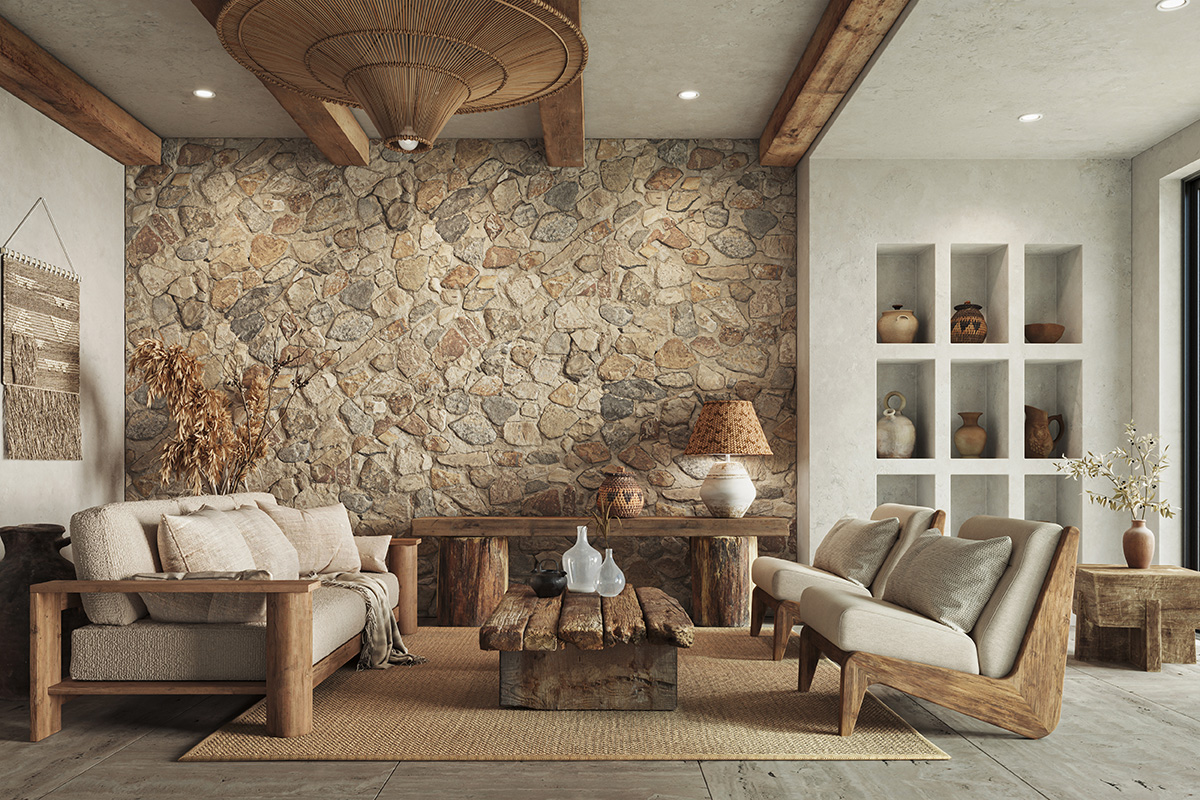
The shift in how stone is used represents a move toward sustainability that goes beyond aesthetics. While statement stone has been popular for years, it’s no longer being used simply as a surface finish.
One of the defining elements of the new trends in architecture is the use of stone to shape spaces and create volume within a room. Designers are now embracing stone slabs with dramatic veining on unexpected surfaces. Vent hoods, countersplashes, and sculptural countertop edges blur the line between modern architecture and interior design, where stone serves as a feature of function and artistry.
Even brickwork is used to define the form and design of external walls. Its rotated patterns, texture, and direction give walls a sense of motion and character that draws attention from every angle.
Biophilic Colors That Accent Architectural Structures
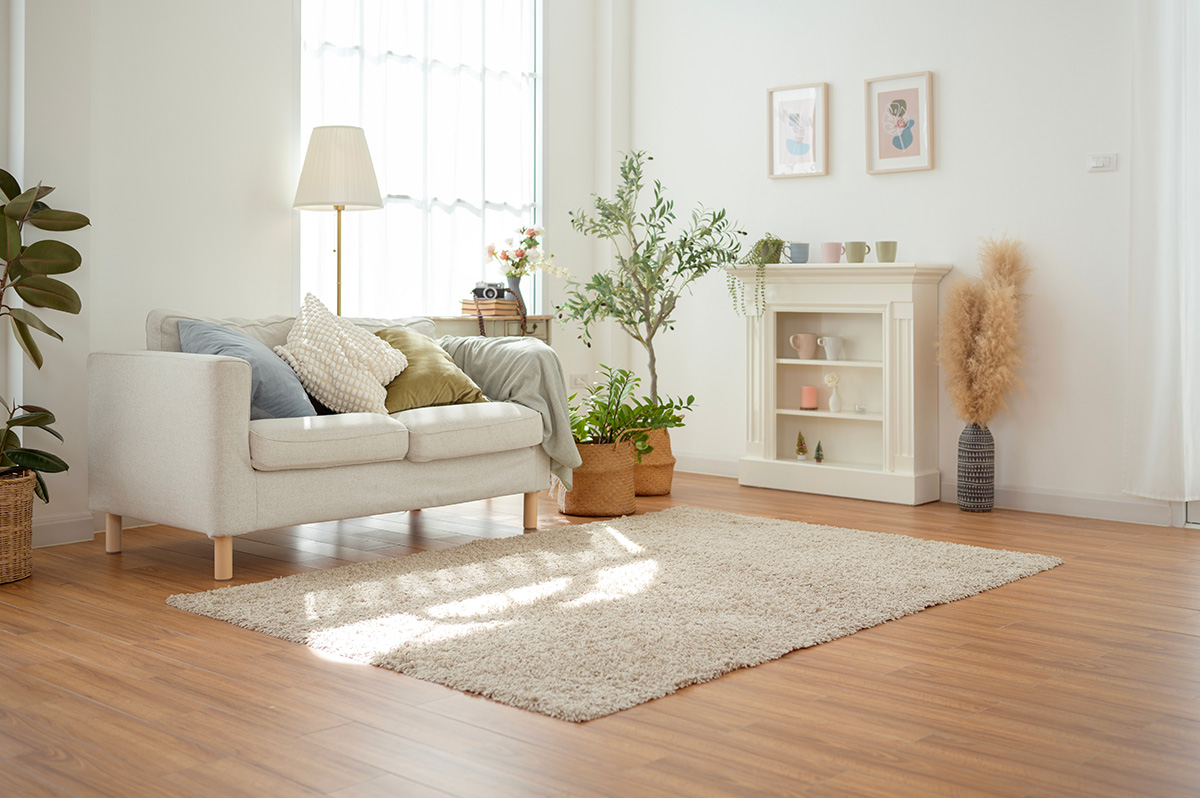
As part of the 2026 design forecast, nature-inspired palettes are gaining momentum in both interior and architectural design. Aside from neutral grays, browns, and whites, other muted and pastel colors like lilac, basil green, coral, and soft periwinkle blues are the new biophilic tones that bring individuality to spaces.
While neutral colors are easy on the eyes, designers are using contrasting pastels to create drama without overwhelm. These combinations serve two purposes:
- They draw attention to key architectural details, such as window frames, millwork, and door architraves.
- Their soft palette combination complements evolving personal style. Accent furniture, wall statements, or textiles can be changed over time without redesigning core spaces. This strategy supports sustainable architecture by reducing the need for frequent renovations or material waste.
Saturated Millwork: A Rich Design Trend for Distinctive Interiors
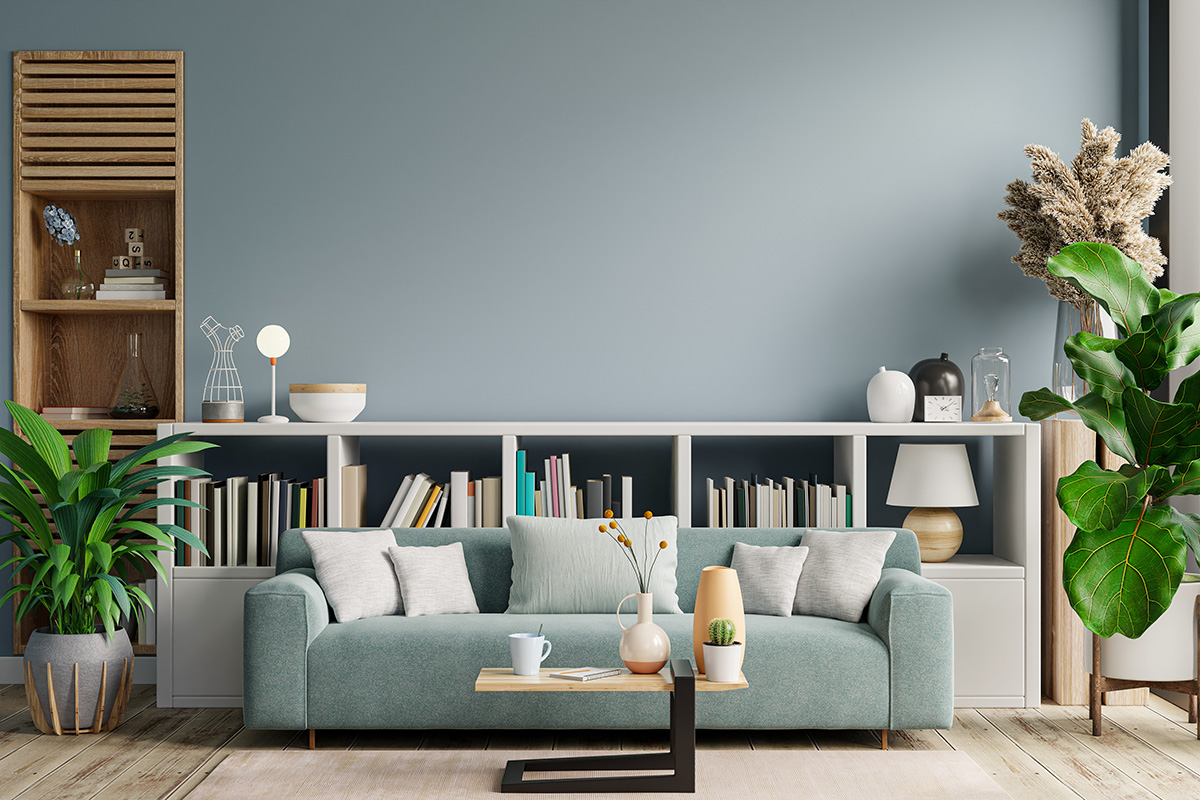
While neutral and pastel colors are in, bold colors of 2025 are emerging in unexpected places. Another way to draw attention to key architectural design details is through saturated colors, such as jewel tones and rich, earthy tones like loam.
Millwork, crown molding, trim, and casings are traditionally neutral architectural elements. However, they are now becoming expressive design statements, especially when painted with colors already in a room for a layered, cohesive aesthetic. This technique quietly highlights the room’s structure, drawing attention to thoughtful craftsmanship without overpowering the rest of the interior design.
Pattern Drenching the Right Way to Layer Visual Texture in 2026
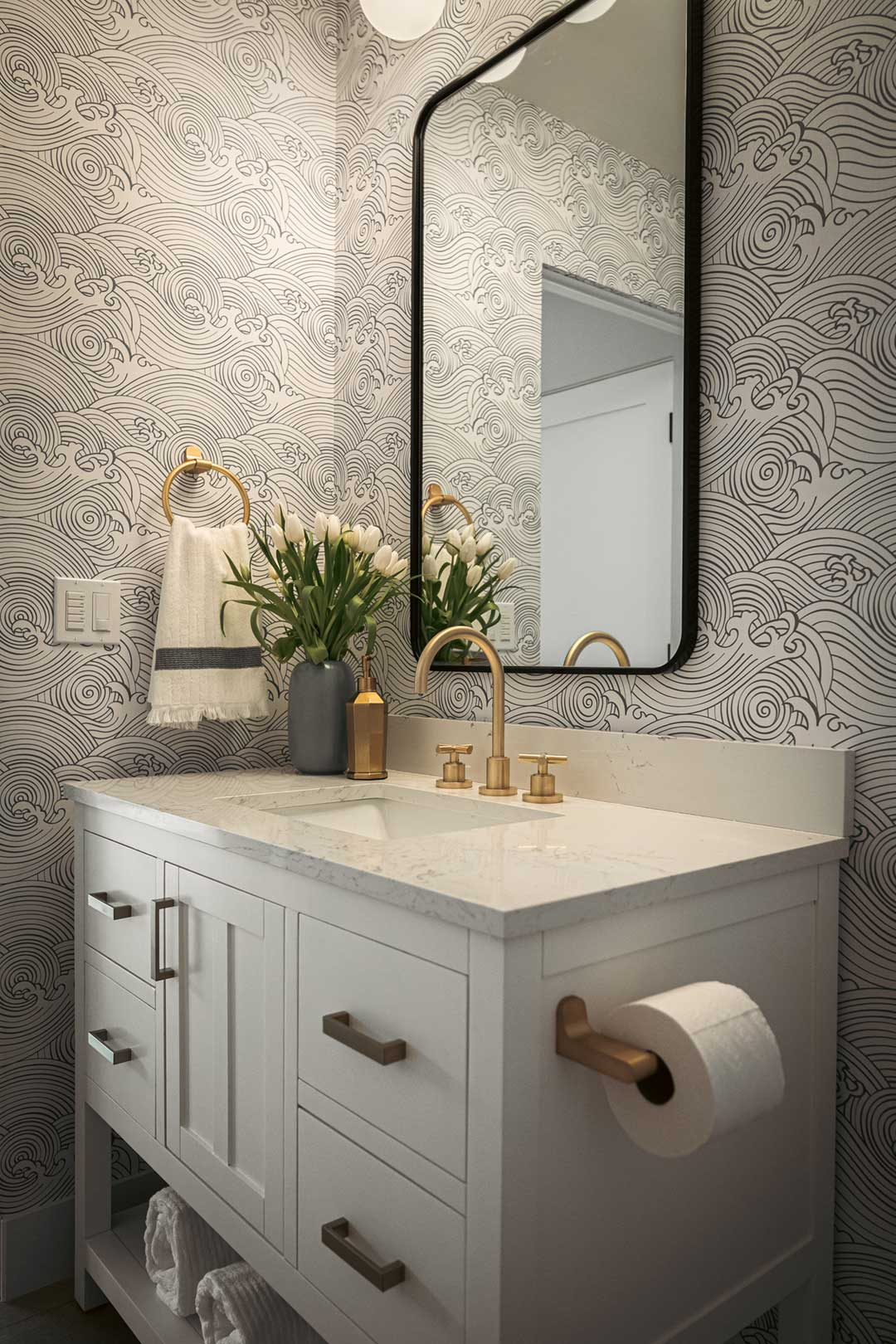
One of the more daring 2026 home architecture trends is the full embrace of pattern drenching. Covering walls, ceilings, or other surfaces with a single pattern creates a cohesive, immersive experience. This approach adds visual texture and atmosphere, transforming everyday spaces into cinematic moments.
The key to executing this trend is to layer it thoughtfully:
- Large patterns should guide the design, while smaller motifs can accentuate and support without creating visual clutter. For instance, expansive angular patterns of a wallpaper can be the star of a room, anchored by intricate diamond patterns of a central rug.
- Use complementary colors or tonal variations of a single shade to maintain design harmony and avoid overwhelm. Sandstone wall patterns in a bedroom bring out the warm, grounding shades of mahogany and walnut in a patterned bedding.
This trend works well in intimate settings. Bedrooms, bathrooms, and reading nooks are spaces where homeowners can apply pattern drenching for a bold sense of identity and emotional tone. It allows designers to be creative while maintaining a grounded, cohesive feel throughout a project.
Glass Block Partitions for Posh Spaces
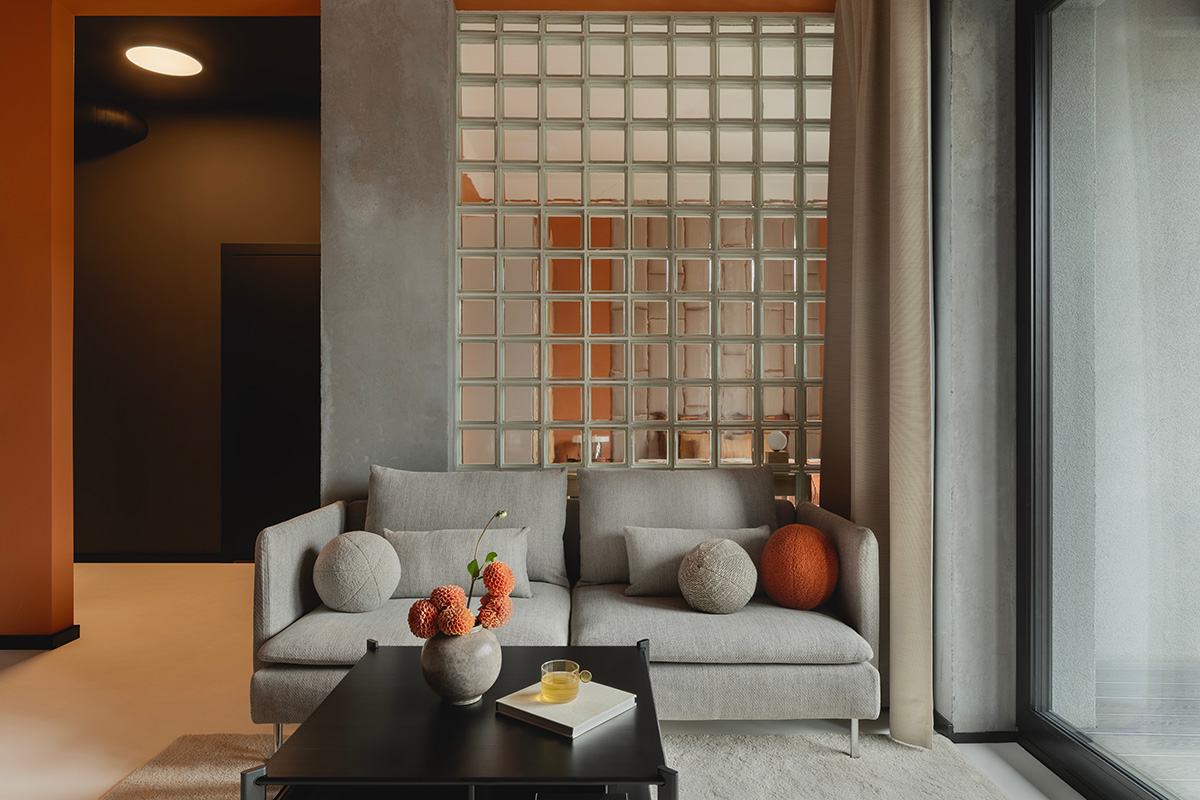
Glass-block partitions are straight out of the ’70s. However, when combined with premium materials such as stone, steel, or warm woodwork, these partitions are better aligned with modern biophilic architectural design.
Their semi-transparent quality makes them ideal for defining spaces within open-plan layouts while maintaining a continuous flow of natural light. Even when used to create layered spaces, their sculptural translucency balances privacy and openness. They add depth and visual interest inside a room without overwhelming the design.
Modernized Heritage: A Fusion of Classic Form and Contemporary Architecture
In 2026, more and more homeowners are drawn to telling a story through architectural design. How? Through a variety of historical architectural styles. From the romantic adventures of a nautical design to the posh elegance of the ‘20 Art Deco, homeowners are combining classics with the simplicity and comfort of contemporary architecture.
Think of a time period that you’re compelled by. Through modernized heritage, you bring these pieces of the past that are also functional, offering comfort and convenience. For instance, a high-efficiency fireplace can still be installed with an Edwardian mantelpiece. Or a homeowner can express their love for the ‘70s with vibrant, earthy tile designs featuring updated arabesque patterns made with modern tile techniques.
Modernized heritage allows homeowners to honor tradition while upgrading their homes to support modern routines and lifestyles. They bring emotional depth to the spaces we live in, connecting us to memory, culture, and place while embracing how we live today.
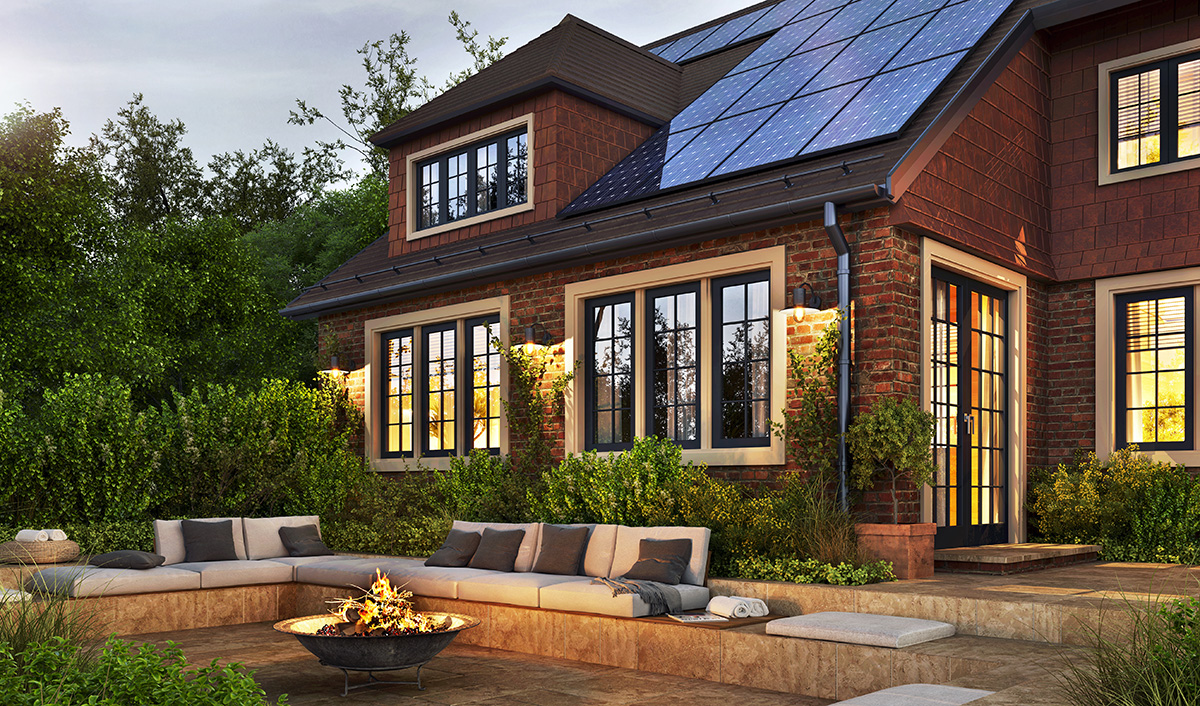
Energy-Efficient Facades Shape the Future of Sustainable Architecture
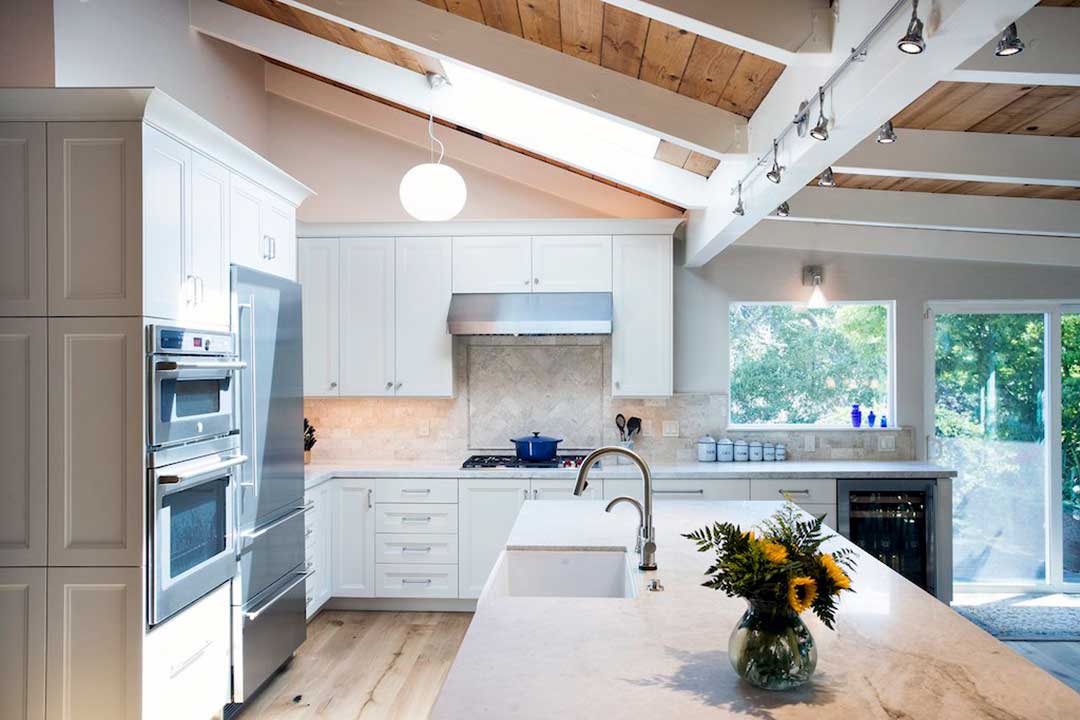
Part of the new trends of architecture is energy-efficient facades. For California homeowners, integrating these design strategies can dramatically improve indoor comfort and reduce utility costs. It can also align with their long-term sustainability goals, making it a smart investment in their remodels. Examples of sustainable architecture are:
- Strategically placed windows allow for passive solar gain in winter.
- Strategically installed shading systems, overhangs, and louvers prevent overheating in summer for year-round comfort.
- Panoramic glazing, such as large floor- to-ceiling glass walls and windows with thermal controls, reduces glare and regulates indoor temperatures.
- Natural materials like concrete, brick, and stone are used not only for their structural durability, but also for their ability to store and gradually release heat after the sun sets.
Consult with Our Architectural Designers For More 2026 Trends That Can Help You Achieve Your Remodeling Goals
Design trends often emerge from real shifts in how people live—not temporary fads. They highlight new ways to bring comfort, function, and long-term value into your home. If you’re exploring updates that support your lifestyle now and in the future, our licensed architectural designers can help you identify the right solutions. Just as you’ll see throughout our portfolio, we specialize in modernizing beloved homes while tailoring every detail to each homeowner’s unique style and needs.
Schedule a consultation with us, and let’s help you discover how to optimize the potential of your unique home.